|
|
|
|
|
|
Fatigue, Post-Exertional Malaise, and Invisible Illness
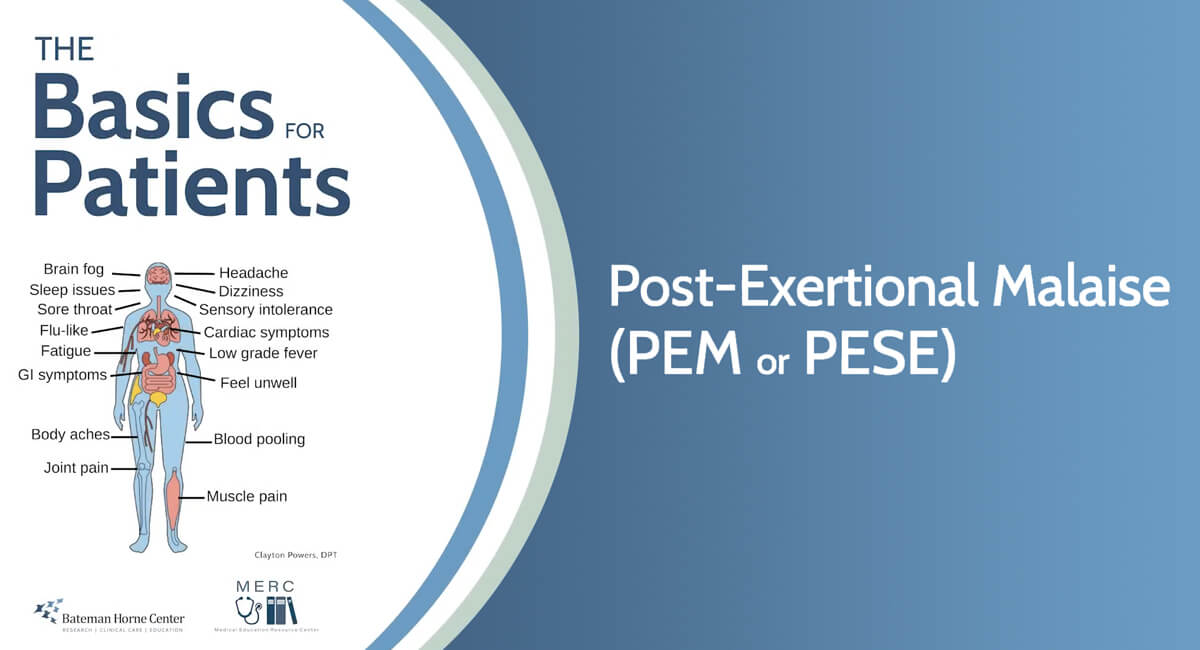
Understanding Post-Exertional Malaise (PEM)
For many people living with Long Covid and Myalgic Encephalomyelitis (ME) / Chronic Fatigue Syndrome (CFS), symptoms don't follow a predictable pattern. They can worsen hours or even days after activity — making recovery difficult to manage and often misunderstood.
|
You feel fine… until later.
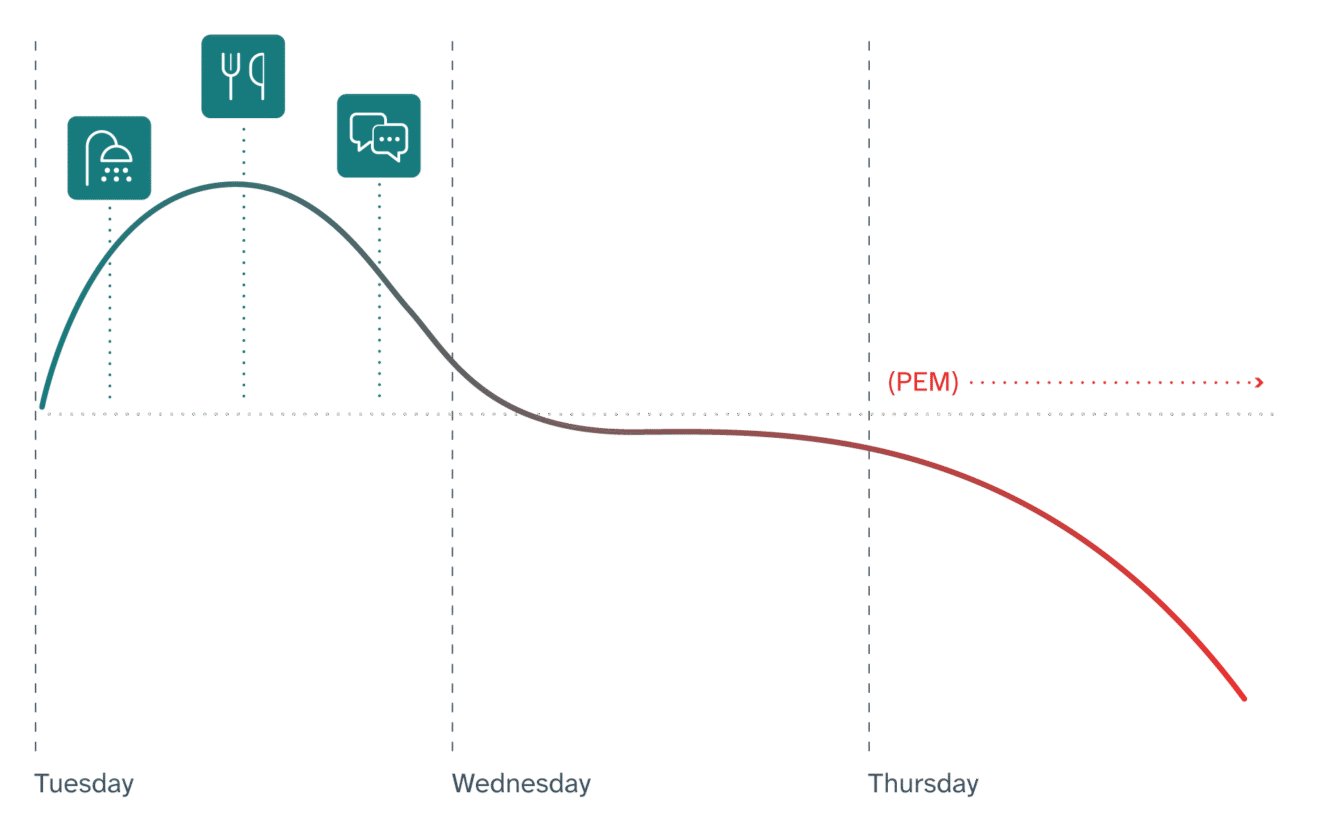
You do something. You feel okay. Then later — sometimes much later — your symptoms worsen. For many people living with Long Covid and ME/CFS, this pattern is familiar. It has a name: post-exertional malaise (PEM).
|
🟢 Activity → 🟢 Feel fine → 🔴 Delayed crash → 🟡 Recovery
|
Symptoms don't always follow a straight line.
|
May is an important month for raising awareness of Long Covid and ME/CFS, with International Awareness Day on 12 May. Conditions involving PEM are often invisible and fluctuating, yet they can significantly affect daily life, work, and recovery.
|
What we're focusing on this month
|
At SHH, we're focusing on:
|
- Recognising patterns like PEM
- Understanding fatigue beyond "just being tired"
- Supporting safer recovery and return to activity
There is no single solution — but improving recognition is a critical first step.
|
|
Explore our resources on fatigue and PEM at the link below.
|
|
|
|
|
|
|
|
|
Managing Fatigue: What Actually Helps
As we approach Myalgic Encephalomyelitis (ME) Awareness Day on 12th May, it’s important to recognise the shared experiences between people living with ME and those with Long Covid.
|
Both conditions can involve debilitating fatigue, post-exertional symptom exacerbation, and the need for careful energy management. Managing energy is not about pushing through, it’s about working within limits.
|
This awareness day is an opportunity to highlight the importance of pacing, listening to your body, and challenging outdated approaches that encourage pushing through symptoms.
|
For many people living with Long Covid, managing energy is not about pushing through — it’s about working within limits.
|
One approach often discussed is pacing.
|
Rather than doing more on 'good days' and crashing later, pacing focuses on balancing activity and rest to reduce setbacks.
|
|
Key to living with Long Covid fatigue is managing your energy. We’ve added items to our Resources page focusing on energy management and putting the 3Ps (below) into practice.
|
|
|
|
|
The 3Ps: A simple framework
|
Think of your energy like a limited battery. We've added items to our Resources page focusing on energy management and putting the 3Ps into practice.
|
- Pace: break tasks into smaller steps and build in rest
- Plan: organise activities and allow extra time
- Prioritise: focus on what matters most and let go of non-essential tasks
|
|
|
|
|
|
Pacing is not about doing less — it's about doing things differently.
|
|
|
|
|
Pacing is about staying within your “energy envelope” and doing enough to maintain function, but not so much that it leads to relapse.
|
Adopting this approach can help reduce fatigue, maintain independence, and make daily life more manageable.
|
|
Pacing is not about doing less — it’s about doing things differently
|
|
|

|
|
|
|
Research of the Month
Understanding the common pattern of Post-Exertional Malaise (PEM)
|
When activity exceeds an individual’s current capacity, symptoms can intensify before gradually improving. In contrast, pacing activity within personal limits may help reduce the severity of these fluctuations.
|
For some individuals, reducing exposure in higher-risk settings, for example through the use of high-filtration masks such as FFP3, may also be considered as part of a broader approach to managing health and recovery.
|
There are currently no established treatments for Long Covid, and evidence continues to evolve, making understanding symptom patterns such as PEM particularly important (NICE, 2021; BMJ, 2021).
|
Understanding PEM can help explain why symptoms may not worsen immediately, and why managing activity levels is often discussed in clinical guidance. However, approaches such as pacing are not a cure, and individual experiences vary.
|
At SHH, we continue to highlight the impact of Long Covid on healthcare workers and the importance of recognising patterns such as PEM.
|
Reducing risk in higher-risk settings
|
For some individuals, reducing exposure to infections may form part of a broader approach to protecting health and recovery.
|
This may include considering high-filtration masks (e.g. FFP3) in higher-risk environments, alongside other measures such as ventilation and avoiding crowded spaces where possible.
|
Evidence is evolving, and approaches will vary depending on individual circumstances. Alongside individual measures, creating safer healthcare environments remains important, including attention to ventilation and appropriate respiratory protection.
|
Through our work, including the SafeAir4All campaign, we continue to advocate for safer healthcare environments and improved recognition of airborne risks.
|
Recent discussions linked to the UK Covid-19 Inquiry and wider policy developments continue to highlight the importance of infection prevention measures, including respiratory protection and ventilation in healthcare settings (UK Covid-19 Inquiry, 2024).
|
There is also increasing international discussion on the role of respirators as a standard component of infection prevention in healthcare (BMJ, 2025).
|
What Patients Tell Us About Pacing
|
The results of these studies highlight just how complex pacing can be. Many people describe cycles of overexertion followed by prolonged exhaustion, reinforcing the need for tailored, flexible, approaches rather than one-size-fits-all advice.
|
- NICE (2021). Myalgic encephalomyelitis (or encephalopathy)/chronic fatigue syndrome: diagnosis and management (NG206)
- BMJ (2021). Long Covid and post-exertional symptom exacerbation
- UK Covid-19 Inquiry (2024). Module 3 Report: Impact on healthcare systems
|
|
|
|
Research Opportunities
Many people ask how they can contribute to research or access emerging care pathways.
|
There are a number of ongoing studies across the UK.
|
Get involved in research
|
Taking part in research helps improve understanding and future care.
|
|
|
|
|
|
|
|
Watch: why symptoms are delayed
A short video explaining why symptoms may worsen hours or even days after activity and what this means for recovery.
|
|
If this pattern feels familiar, you are not alone, and understanding it is the first step to managing it.
|
|
|
|
|
|
|
|
In focus: Healthcare systems and protection
Findings from the UK Covid-19 Inquiry (Module 3), which examined the impact of the pandemic on healthcare systems, highlight the importance of infection prevention and control measures, including appropriate respiratory protection for healthcare workers (UK Covid-19 Inquiry, 2024).
|
These findings reinforce the need for continued attention to safe working environments and protection for healthcare staff.
|
At SHH, this aligns with our work to improve recognition of these risks and support safer healthcare environments, including through the SafeAir4All campaign.
|
Learn more about SafeAir4All and how to support this work.
|
What you can do
- Recognise patterns like delayed symptoms
- Support colleagues experiencing invisible illness
- Share credible, evidence-based information
- Engage with awareness activities around 12 May (World ME Day)
|
|
|
|
|
Living with fluctuating symptoms can feel isolating. Our peer support groups provide a space to connect with others navigating similar challenges.
|
|
|

|
|
|
Peer support groups
SHH-UK peer support groups provide a safe, confidential space for healthcare workers living with long covid to connect, share experiences, and support one another. These groups are peer support and do not replace medical or occupational health advice.
|
All our peer support groups are online and welcoming new members. They are all facilitated by at least 2 SHH-UK volunteers. There's no need to book a place, just come along.
|
|
Please email supportgroup@shh-uk.org if you have any questions, or you would like us to send you a reminder, the day before each peer support group meeting.
|
|
|
|
|
|
Evening peer support group
Thursday 7th May at 7:00pm
|
|
This is a new peer support group for healthcare workers, who live with long covid, and are working, or planning a return to work (whether it's the same job, something similar or a completely different job). This will be the first meeting so come along and tell us what you want from this peer support group.
|
|
|
|
|
|
Tuesday morning peer support group: Coffee and chat
Tuesday 12th May at 11:00am
|
|
This peer support group meeting doesn't have a formal agenda. It's a space for all types of healthcare workers, living with long covid (whether you are able to work or not), to meet, connect and chat.
|
|
|
|
|
|
Creative crafts chat
Tuesday 26th May at 11:00am
|
|
This peer support group meeting is a space for all types of healthcare worker living with long covid (whether you are able to work or not). The focus is creative crafts. Please bring examples of the crafts you are working on and share your experiences of being creative. If you've not explored arts and crafts yet, come along and join the conversation.
|
|
|
|
|
|
Evening peer support group
Thursday 4th June at 7:00pm
|
|
This is a new peer support group for healthcare workers who live with long covid and are working, or planning a return to work (whether it's the same job, something similar or a completely different job.
|
|
|
|
|
|
Coffee and chat
Tuesday 9th June at 11:00am
|
|
This peer support group meeting doesn't have a formal agenda. It's a space for all types of healthcare workers living with long covid (whether you are able to work or not) to meet, connect and chat.
|
|
|
|
|
|
|
|
|