

Covid is Airborne: You’re breathing it in
A powerful short video explaining how COVID spreads through the air like smoke, highlighting why ventilation, clean air and respiratory protection matter.
Read more

Summary: Healthcare workers face higher COVID risks, yet Long COVID isn’t recognised as an occupational disease, denying legal protections and support.
An article published by the BMJ (21/09/23) used the testimonies of healthcare workers to argue that covid and Long Covid should be recognized as occupational diseases, along with all the legal protections that brings. The data also show significantly higher rates of infection and long-term symptoms in patient-facing roles. Yet governments have so far resisted calls, including from the EU, to formally accept the link to occupation.
Around 2 million people in the UK and 17 million in Europe are estimated to have long covid. Research shows most improve within a year, but up to 19% still have persistent symptoms after 2 years. For healthcare workers, around 5% are affected.
Some question why covid remains newsworthy amid other challenges. But millions cannot “move on” from long covid’s impact. Bans on covid data only increase public interest. Legal concepts like the “right to health” offer, in theory, protection. In practice, the law is manipulated to limit rights.
The failure to recognize Long Covid as an occupational disease is a prime example. Without this status, affected workers lack clear recourse and governments can avoid liability for policy failures. Powerful interests are served, but not public health.
As the data unambiguously demonstrate higher infection rates in healthcare and frontline roles, denying occupational linkages looks increasingly untenable. With millions affected, a rights-based approach is needed, not convenient denial.
Legal mechanisms should empower citizens and healthcare workers, not control them. Long Covid’s toll demands occupational status, proper support and acknowledgment of policy failures. Justice, not denial, is the only ethical response.
An article published by the BMJ (21/09/23) used the testimonies of healthcare workers to argue that covid and Long Covid should be recognized as occupational diseases, along with all the legal protections that brings. The data also show significantly higher rates of infection and long-term symptoms in patient-facing roles. Yet governments have so far resisted calls, including from the EU, to formally accept the link to occupation.
Around 2 million people in the UK and 17 million in Europe are estimated to have long covid. Research shows most improve within a year, but up to 19% still have persistent symptoms after 2 years. For healthcare workers, around 5% are affected.
Some question why covid remains newsworthy amid other challenges. But millions cannot “move on” from long covid’s impact. Bans on covid data only increase public interest. Legal concepts like the “right to health” offer, in theory, protection. In practice, the law is manipulated to limit rights.
The failure to recognize Long Covid as an occupational disease is a prime example. Without this status, affected workers lack clear recourse and governments can avoid liability for policy failures. Powerful interests are served, but not public health.
As the data unambiguously demonstrate higher infection rates in healthcare and frontline roles, denying occupational linkages looks increasingly untenable. With millions affected, a rights-based approach is needed, not convenient denial.
Legal mechanisms should empower citizens and healthcare workers, not control them. Long Covid’s toll demands occupational status, proper support and acknowledgment of policy failures. Justice, not denial, is the only ethical response.
An article published by the BMJ (21/09/23) used the testimonies of healthcare workers to argue that covid and Long Covid should be recognized as occupational diseases, along with all the legal protections that brings. The data also show significantly higher rates of infection and long-term symptoms in patient-facing roles. Yet governments have so far resisted calls, including from the EU, to formally accept the link to occupation.
Around 2 million people in the UK and 17 million in Europe are estimated to have long covid. Research shows most improve within a year, but up to 19% still have persistent symptoms after 2 years. For healthcare workers, around 5% are affected.
Some question why covid remains newsworthy amid other challenges. But millions cannot “move on” from long covid’s impact. Bans on covid data only increase public interest. Legal concepts like the “right to health” offer, in theory, protection. In practice, the law is manipulated to limit rights.
The failure to recognize Long Covid as an occupational disease is a prime example. Without this status, affected workers lack clear recourse and governments can avoid liability for policy failures. Powerful interests are served, but not public health.
As the data unambiguously demonstrate higher infection rates in healthcare and frontline roles, denying occupational linkages looks increasingly untenable. With millions affected, a rights-based approach is needed, not convenient denial.
Legal mechanisms should empower citizens and healthcare workers, not control them. Long Covid’s toll demands occupational status, proper support and acknowledgment of policy failures. Justice, not denial, is the only ethical response.
A powerful short video explaining how COVID spreads through the air like smoke, highlighting why ventilation, clean air and respiratory protection matter.
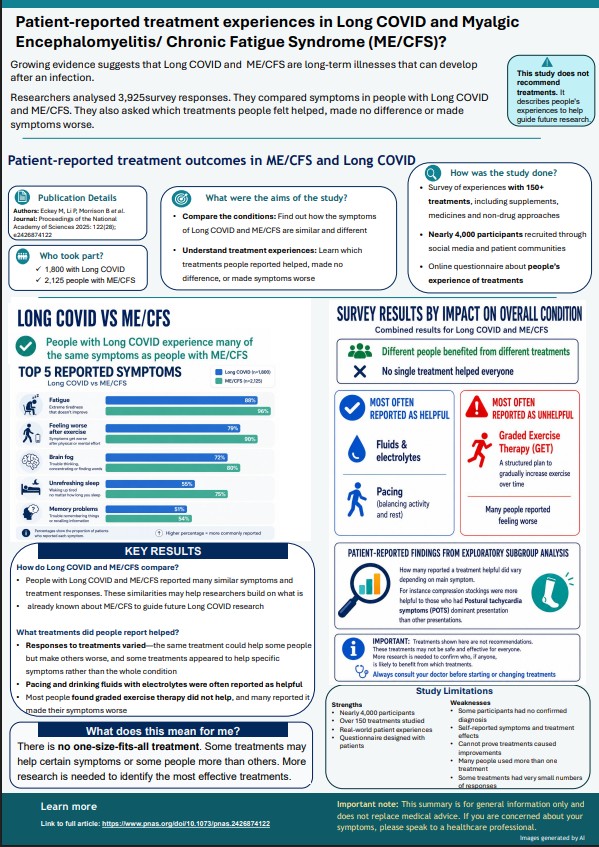
Explore this SHH-UK Research Summary of a study examining patient-reported symptoms and treatment experiences among nearly 4,000 people with Long COVID and ME/CFS.

N95 and KN95 respirators may look similar, but they are certified to different national standards. Both are designed to provide a high level of filtration, with each rated to filter at least 95% of specified test particles. (Smart Air)