

Covid is Airborne: You’re breathing it in
A powerful short video explaining how COVID spreads through the air like smoke, highlighting why ventilation, clean air and respiratory protection matter.
Read more

Resource Summary:
This guidance from the British Occupational Hygiene Society clarifies the legal distinction between surgical masks and respirators in UK healthcare settings. While Fluid Resistant Surgical Masks (FRSMs) are designed for patient protection and infection prevention, they are not considered Personal Protective Equipment (PPE) under COSHH regulations and do not protect the wearer from inhaling airborne pathogens.
The report reinforces that employers have a legal duty under the Health and Safety at Work Act and COSHH to provide suitable and adequate Respiratory Protective Equipment (RPE) — such as FFP3 respirators — when there is a residual risk of airborne infection. It also challenges the misconception that following Infection Prevention and Control (IPC) guidance alone is sufficient to protect staff.
Key points include:
Clear distinction between source control (FRSM) and wearer protection (RPE).
COSHH requires inhalation risks to be assessed and adequately controlled.
Compliance failures are not just clinical issues — they can be criminal offences.
Face fit testing, training, and appropriate RPE selection are essential.
WHO’s updated guidance (2024) aligns with UK health and safety law, but not current IPC guidance.
📘 Why it matters: The COVID-19 pandemic highlighted critical gaps in respiratory protection for healthcare workers. This document helps employers, unions, and clinicians understand their legal responsibilities and advocate for safe working conditions.
A powerful short video explaining how COVID spreads through the air like smoke, highlighting why ventilation, clean air and respiratory protection matter.
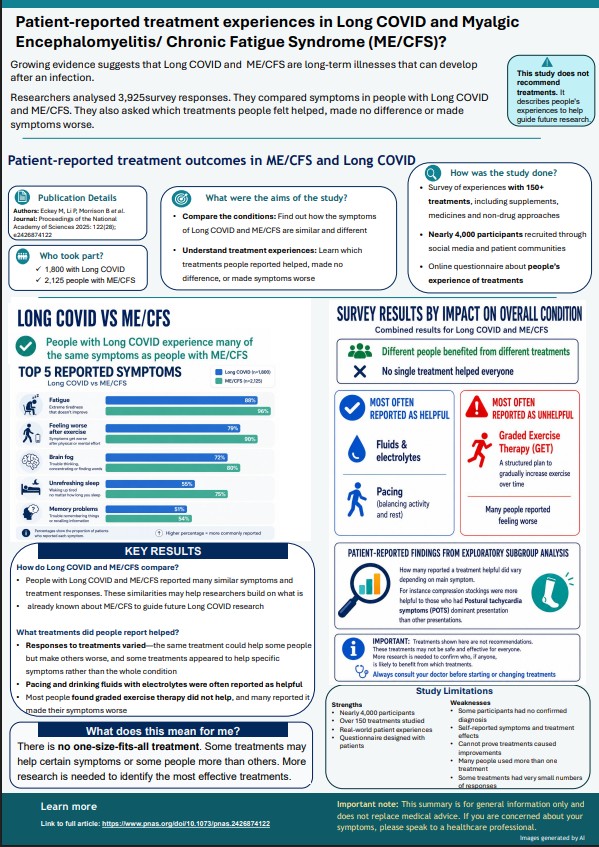
Explore this SHH-UK Research Summary of a study examining patient-reported symptoms and treatment experiences among nearly 4,000 people with Long COVID and ME/CFS.

N95 and KN95 respirators may look similar, but they are certified to different national standards. Both are designed to provide a high level of filtration, with each rated to filter at least 95% of specified test particles. (Smart Air)
Mike Travis says:
Good article