SHH UK Logo

COVID circulation drives workforce absences and exits

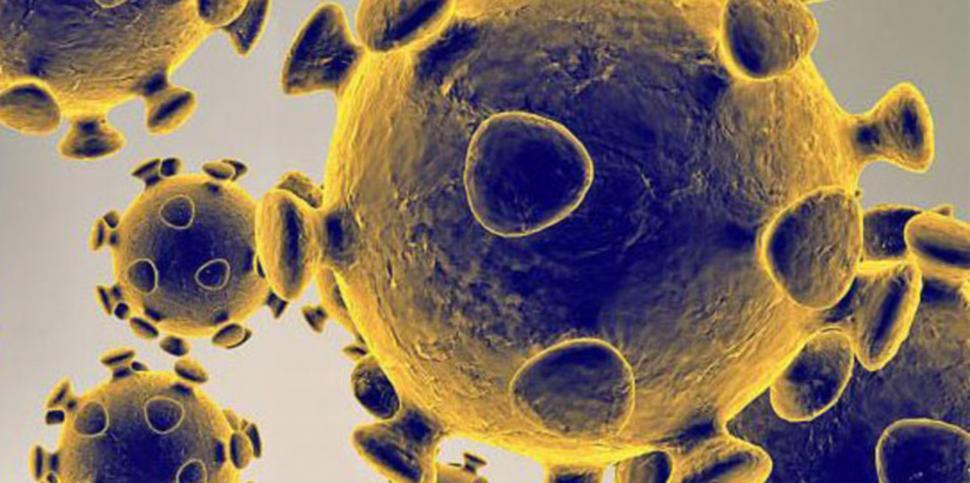
A model illustration of COVID-19 coronavirus

Category

Share

An article was published in JAMA Network Open in October 2025 entitled: Enduring Outcomes of COVID-19 Work Absences on the US Labor Market. A summary of the study is provided below. Another summary which can be listened to is provided here.

Summary

A cohort study spanning 2010-2024 examined how persistent circulation of COVID‑19 correlates with health-related work absences and workforce exits in the US. Using monthly data from the Current Population Survey (CPS) linked with wastewater surveillance of SARS-CoV-2, the researchers compared three periods: pre-pandemic (prior to March 2020), pandemic (March 2020-April 2023) and post-public health-emergency (May 2023-Dec 2024).

Key findings

During March 2020 – April 2023, health-related absences rose by ~56.7% compared to pre-pandemic levels, and remain elevated post-emergency, at around +12.9%.
Workforce exits (the number of workers leaving employment after a health-related absence) increased ~29.3% during March 2020 – April 2023 and ~13.1% during May 2023 – December 2024 compared to January 2015 – February 2020.
Absence rates stayed particularly high among occupations with low capacity to work from home (WFH) and those requiring high physical proximity — e.g., +8.1% for low-WFH roles and +12.5% for high-proximity jobs in during May 2023 – December 2024.
The authors suggest COVID-19 may have established a new “baseline” of work absences comparable to a busy influenza season, signalling the need for ongoing workplace interventions and data collection.

    Relevance for SHH-UK and workplace air safety

    The findings underscore that COVID-19 virus circulation continues to impact workforce participation and absenteeism — especially in roles with high exposure risk (e.g., healthcare, frontline services).
    For SHH-UK’s #SafeAir4All campaign, the study reinforces the imperative to improve indoor air quality, enhance ventilation, strengthen infection-prevention protocols, and maintain policies that allow for sick leave and prevent presenteeism.
    The research provides credible evidence for advocates: not only patient safety but also workforce resilience and retention are jeopardised by ongoing infectious risks.
    From a policy angle: organisations and regulators should consider that respiratory pathogens remain a work-disruption hazard and that investment in preventive infrastructure (air filtration, monitoring, safe-workplace design) is justified.

      Key Messages for Employers

      Ongoing viral circulation impacts absences

      High-risk occupations remain vulnerable

      Air quality and exposure mitigation are key actionable levers

      More information about the importance of indoor air quality in healthcare settings can be found in the SHH-UK position statement which can be accessed by clicking here.

        Leave a Reply

        Your email address will not be published. Required fields are marked *

        This site uses Akismet to reduce spam. Learn how your comment data is processed.

        More insights

        Tell us about your fundraising

        Your Details

        SHH-UK is committed to protecting your data, you can read more about how we do this via our privacy policy.

        By filling out the fundraising enquiry form with your personal information you consent to the terms and conditions of our Privacy Policy.

        If you wish to change the way you are kept informed about our work here at Cavell please get in touch with us at info@shh-uk.org

        Communcation preferences

        Our Newsletter

        Please enter your details to sign up for our newsletter below.