
Covid is Airborne: You’re breathing it in
A powerful short video explaining how COVID spreads through the air like smoke, highlighting why ventilation, clean air and respiratory protection matter.
Read more

Angela devoted more than three decades of her life to the NHS, building a highly respected career that spanned nursing, midwifery, education and research. Starting as a nursing assistant in 1990, she went on to qualify as a nurse and later as a midwife, working in a variety of clinical roles including labour ward co-ordinator. She was deeply committed to providing compassionate, woman-centred care and supporting colleagues, gaining teaching qualifications, contributing to research, presenting at conferences, and mentoring staff. Known for her humour and kindness – and for the cakes she regularly brought in for colleagues – Angela was a valued and experienced member of the maternity team.
Yet despite this long and dedicated career, Angela’s time in the NHS ended prematurely after she became critically ill with Covid-19 while working in healthcare. The illness left her with lasting health problems and Long Covid, forcing her to leave the profession she loved. Her story illustrates a wider and deeply concerning issue: experienced healthcare workers are being lost from the NHS because adequate protections against Covid-19 – such as effective airborne infection controls – were not consistently in place. Angela’s departure represents not just a personal loss, but the loss of decades of expertise, care and leadership for patients, colleagues and the health service.
Angela is one of thousands of NHS staff who have been sacked having developed Long Covid following a work-based acquired infection. To prevent more staff being lost in this way, the NHS must urgently strengthen infection prevention and control measures to reflect the airborne nature of Covid-19 and other respiratory infections. This includes improving ventilation and indoor air quality, using air cleaning technologies such as HEPA filtration, ensuring access to appropriate respiratory protective equipment (such as FFP2/FFP3 respirators), and embedding routine monitoring of air quality in healthcare settings. Alongside these measures, staff who develop Long Covid must receive consistent occupational health support and workplace adjustments. Protecting the health of healthcare workers is essential not only for their wellbeing but also for sustaining the NHS workforce and maintaining safe patient care.
Details of the evidence-based changes needed to UK infection prevention control manuals are detailed here. Evidence supporting the need for indoor air quality in the NHS can be found by clicking here.
A powerful short video explaining how COVID spreads through the air like smoke, highlighting why ventilation, clean air and respiratory protection matter.
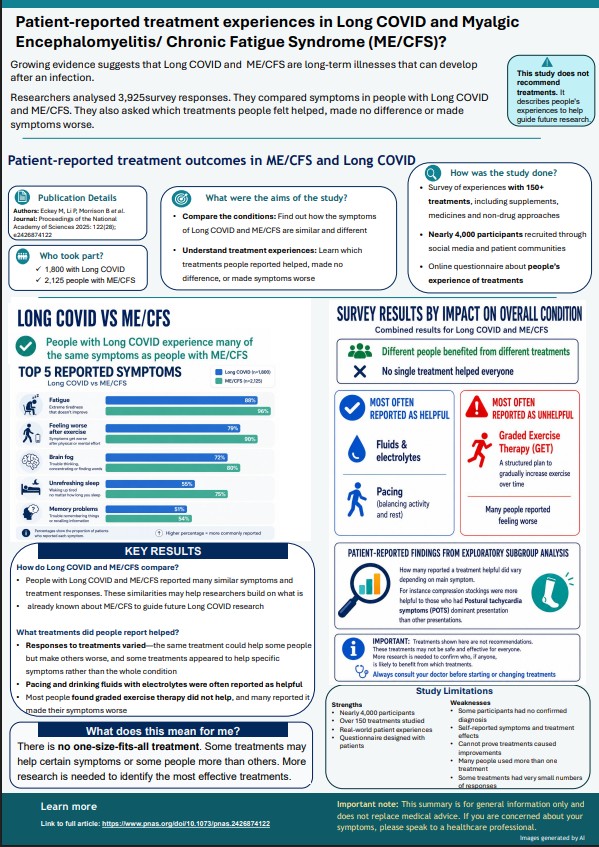
Explore this SHH-UK Research Summary of a study examining patient-reported symptoms and treatment experiences among nearly 4,000 people with Long COVID and ME/CFS.

N95 and KN95 respirators may look similar, but they are certified to different national standards. Both are designed to provide a high level of filtration, with each rated to filter at least 95% of specified test particles. (Smart Air)