

Covid is Airborne: You’re breathing it in
A powerful short video explaining how COVID spreads through the air like smoke, highlighting why ventilation, clean air and respiratory protection matter.
Read more

Summary:
Long Covid causes cognitive dysfunction yet this is rarely discussed and often not taken into account when people are attempting to return to work.
Cognitive dysfunction caused by Long Covid is a particular concern and we are only now becoming aware of the extent of the problem and its impact on nurses and midwives’ fitness to practise. Nor are those of us with Long Covid able to easily access care from neurologists. Additional information regarding cognitive dysfunction associated with Long Covid can be seen in Box 1.
The recently published Society of Occupational Medicine guidelines state:
I know of at least one nurse with Long Covid currently suspended after poor clinical decision-making. Other nurses have gone off sick again following complaints from colleagues about their decision-making. Worryingly, an OT colleague tells me that many of the tools used to assess cognitive dysfunction do not measure the relevant things.
Ongoing cognitive dysfunction worries many of us in the Long Covid world. Those of us who work in health care are particularly concerned about how this may impact on our fitness to practise, seeing it as a potential patient safety issue. Personally, I believe this is a ticking time bomb and something the Nursing and Midwifery Council (NMC), Health and Care Professions Council (HCPC) and General Medical Council (GMC) should be taking seriously. The removal of covid sick pay across all four UK countries is likely to exacerbate this situation as some staff may be tempted to return to work too early due to the financial hardship that will be caused by going onto half or no pay.
A significant proportion of the Long Covid community are still struggling with cognitive dysfunction two and half years down the line, but very few of us have been seen by a neurologist or had cognitive assessments. Recently I completed the Great British Intelligence Test at the suggestion of a fellow long hauler. The results can be seen in Figure 1. I’m not sure the reality of the results has sunk in yet. I haven’t done the test before and so can’t compare previous results but:
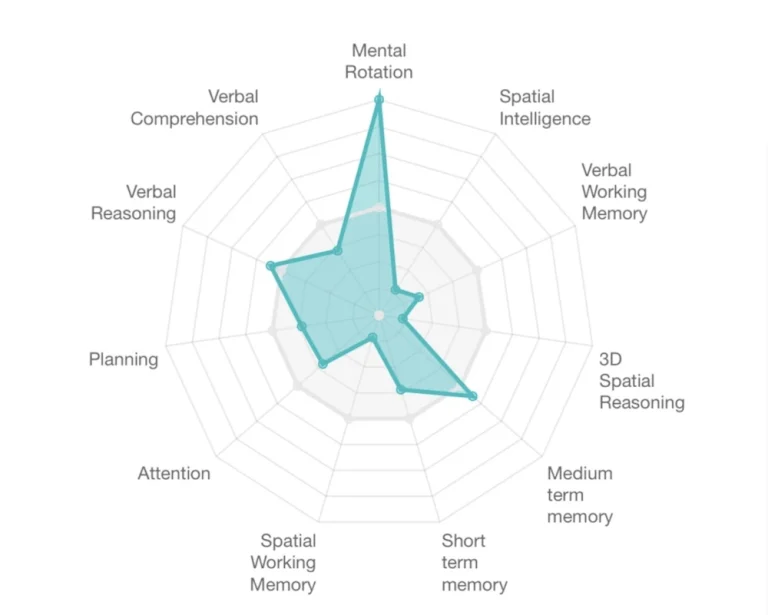
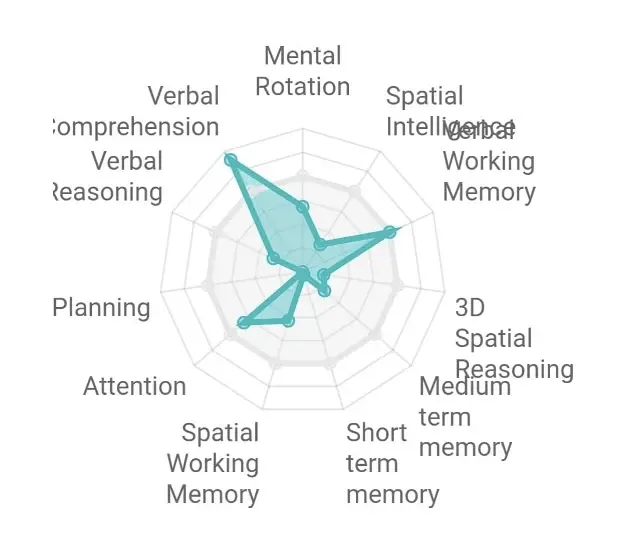
A friend who is a former teacher who has Long Covid also did the Great British Intelligence Test. Their results can be seen in Figure 2. They were in the top 5% of their city at Grammar School. Now they are concerned that if they went back to work:
No to all on a bad day.
This friend is currently appealing their ill health retirement decision with their pension provider.
We have an NHS workforce crisis and a shortage of teachers. Many/most NHS staff and teachers with Long Covid developed it working on the frontline with inadequate personal protective equipment. More needs to be done to support them to get answers about the extent of their cognitive dysfunction and what can be done to help. Other people with Long Covid also need these answers too. The time to act is NOW.
If you are interested in the impact of Covid-19 on the brain watch this space. Coming soon is a blog written by the Greater Manchester Neuro Alliance (@GMNeuroAlliance).
Alison Twycross PhD RN
A powerful short video explaining how COVID spreads through the air like smoke, highlighting why ventilation, clean air and respiratory protection matter.
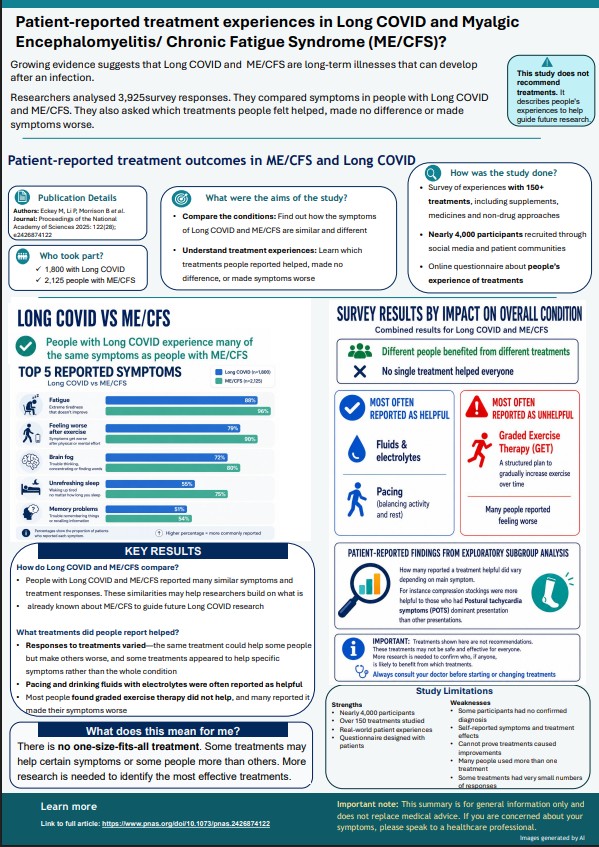
Explore this SHH-UK Research Summary of a study examining patient-reported symptoms and treatment experiences among nearly 4,000 people with Long COVID and ME/CFS.

N95 and KN95 respirators may look similar, but they are certified to different national standards. Both are designed to provide a high level of filtration, with each rated to filter at least 95% of specified test particles. (Smart Air)