
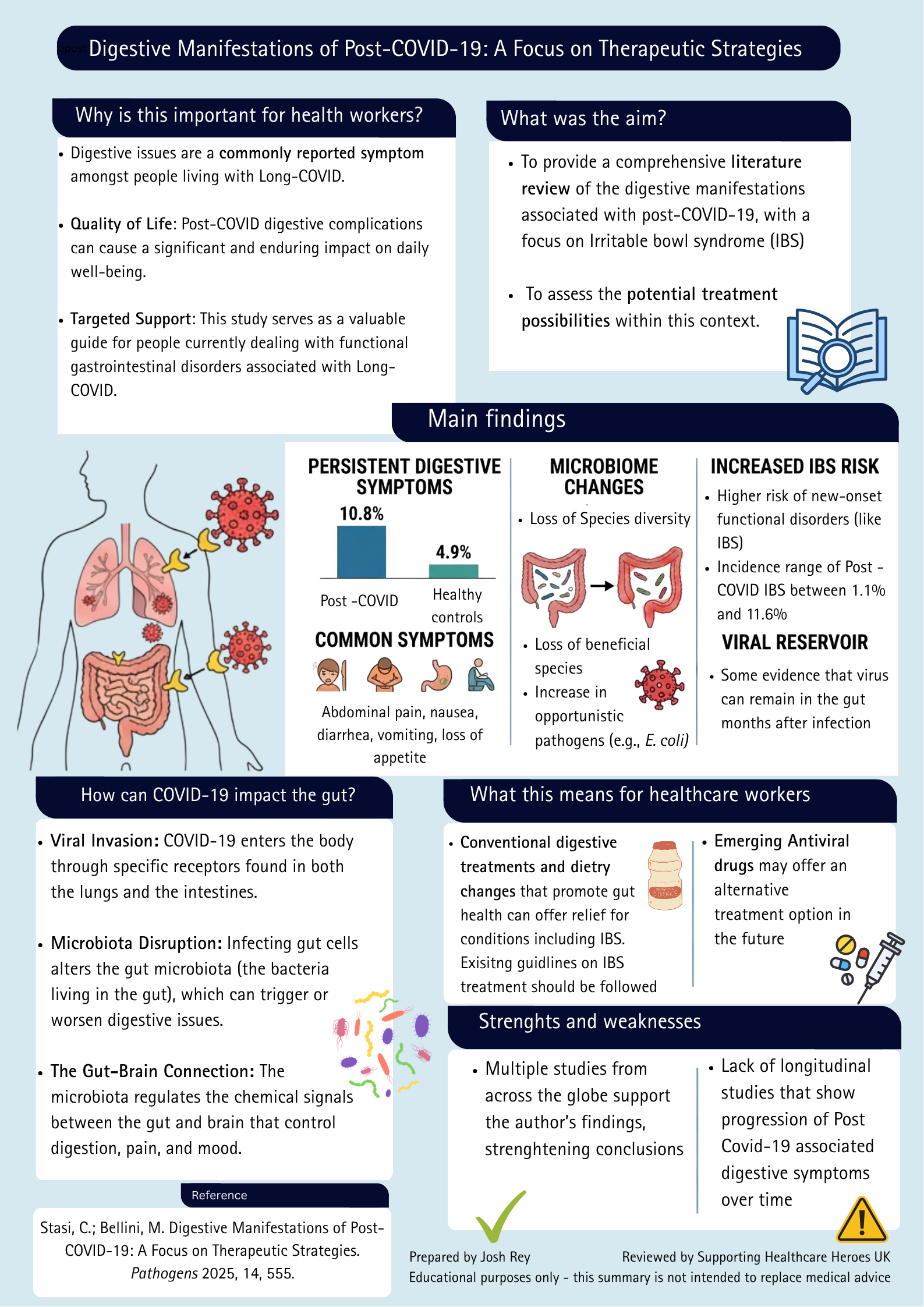
Long COVID and Digestive Symptoms: What the Research Tells Us
Research summary exploring digestive manifestations of Long COVID, including gut microbiome changes, IBS risk and potential treatment approaches.
Read more
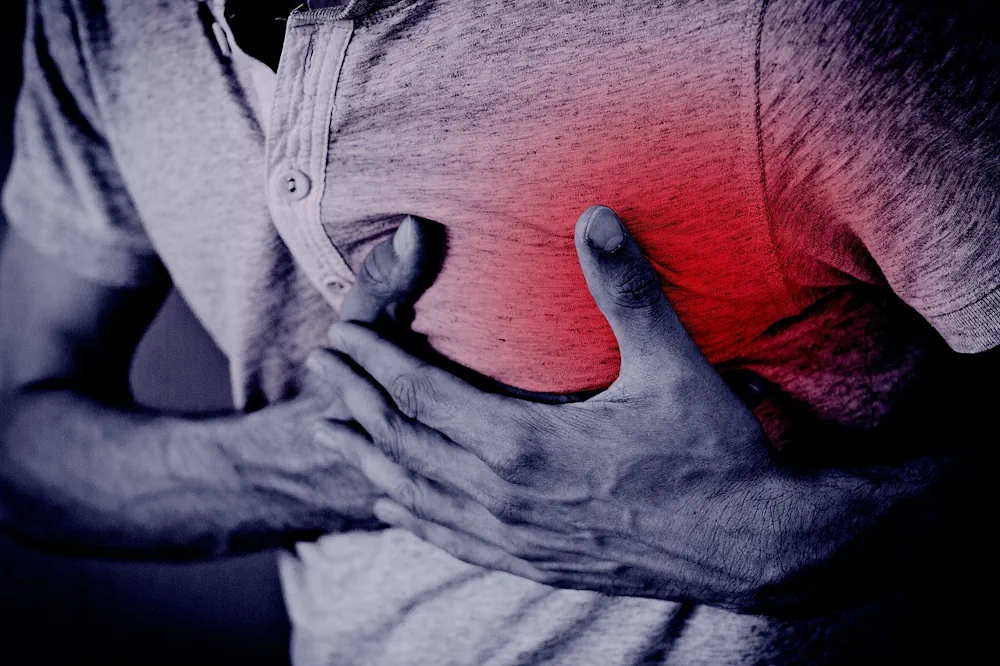
Summary: This study found that COVID-19 infections age blood vessels and the heart, especially in women.
Bruno, R. M. et al., (2025) summarised by Yesenia Julieth Camacho
Introduction
COVID-19 has affected millions worldwide, and concerns are growing about its long-term health effects. One important area is the cardiovascular system. Healthy blood vessels are flexible, but with age or disease, they stiffen, known as vascular ageing and this increases the risk of heart disease and stroke. Researchers suspected that COVID-19 might speed up this ageing process. The CARTESIAN study, the first large international project of its kind, set out to investigate whether COVID-19 survivors show signs of accelerated vascular ageing and to identify which groups are most at risk.
Summary
The study recruited almost 2,400 people across 16 countries, divided into four groups: those who never had COVID-19, those infected but not hospitalised, those hospitalised in general wards, and those hospitalised in intensive care units (ICU). Vascular health was measured using pulse wave velocity, a reliable marker of artery stiffness. Results showed that all groups who had COVID-19 had stiffer arteries than those who never had the infection, even after adjusting for age, blood pressure, smoking, and other risk factors. On average, pulse wave velocity was about 0.4 m/s higher in COVID-positive groups compared with controls.
A striking finding was the difference between men and women. In women, pulse wave velocity was significantly higher after COVID-19, especially for those hospitalised in Intensive Care Unit or experiencing ongoing symptoms like fatigue and breathlessness. In men, the difference compared to controls was minimal. Other analyses showed that vaccination seemed to protect women: vaccinated COVID-positive women had lower pulse wave velocity than unvaccinated women. In men, vaccination made little difference. Long term follow-up one year later showed another important pattern: artery stiffness in COVID-19 survivors remained stable or even improved, while in those who never had COVID-19, stiffness increased with normal ageing. This suggests that COVID-19 causes a sudden increase in vascular ageing, but not necessarily continuous or a rapid deterioration.
Conclusion
The CARTESIAN study provides clear evidence that COVID-19 is linked to accelerated vascular ageing, particularly in women and in those with Long Covid symptoms. Vaccination may help reduce this risk. While the damage does not appear to worsen over time, the fact that COVID-19 can leave behind hidden vascular changes is significant. These findings highlight COVID-19 not only as a respiratory disease but also as a vascular one, with long-term consequences for blood vessel and heart health. Monitoring survivors, especially women, could help prevent future cardiovascular problems. Further research is needed to confirm whether these early signs of vascular ageing lead to higher rates of heart attacks and strokes, and whether new variants or reinfections carry the same risks.
Read the study here
Research summary exploring digestive manifestations of Long COVID, including gut microbiome changes, IBS risk and potential treatment approaches.
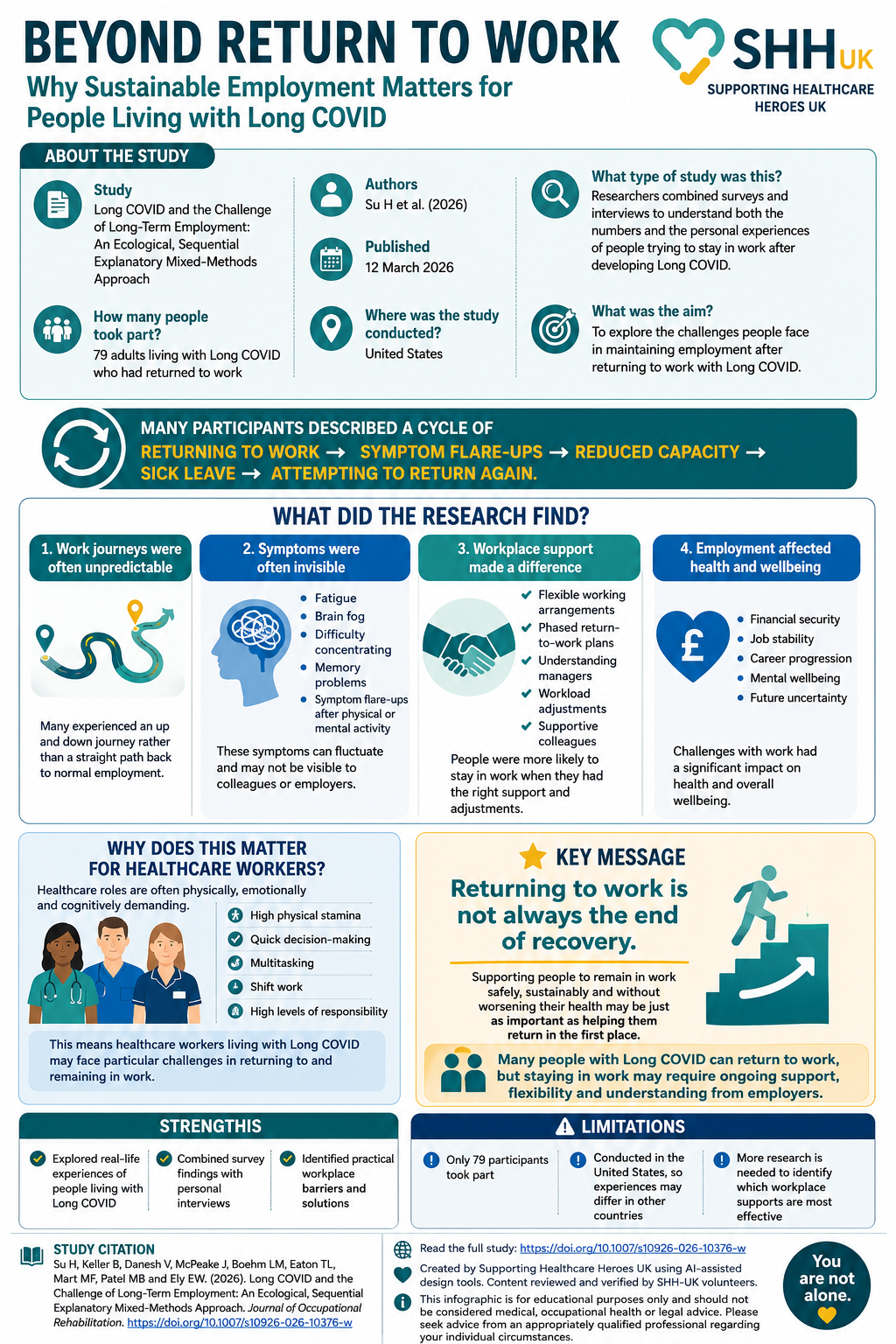
Returning to work is often viewed as a major milestone in recovery. However, for many people living with Long COVID, returning to work does not necessarily mean returning to their previous level of health. This study by Su and colleagues explored the experiences of 79 adults living with Long COVID who had returned to employment. […]
Learn why the precautionary principle is fundamental to infection prevention and how its application protects healthcare workers and patients.