

Covid is Airborne: You’re breathing it in
A powerful short video explaining how COVID spreads through the air like smoke, highlighting why ventilation, clean air and respiratory protection matter.
Read more
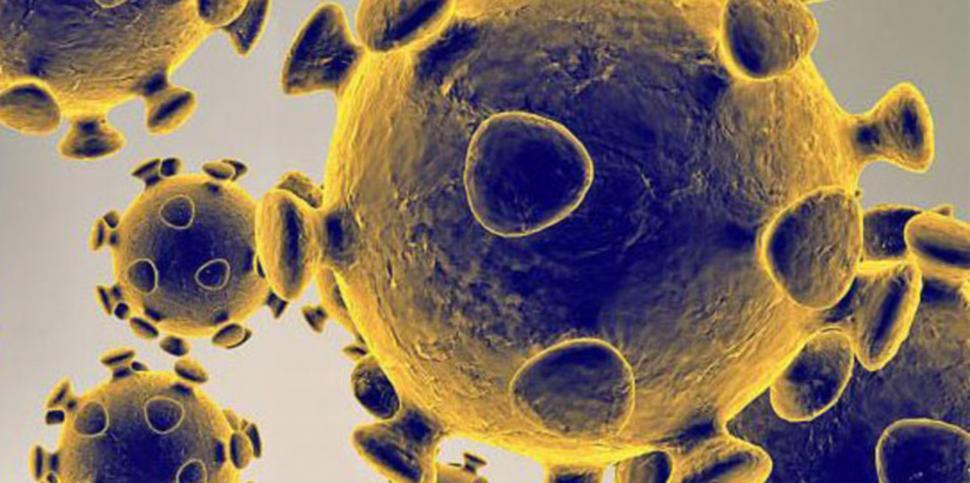
Summary: A comparison between original and Delta COVID-19 waves regarding gut and lung symptoms.
Varma J. et. al., (2024) – summarised by Tolu J. Omolade
Introduction
This study analysed electronic health records from over half a million adults in the United States to understand how Long Covid symptoms differed between two major COVID-19 waves: the early ancestral strain in 2020 and the Delta variant in 2021. The study examined new symptoms or diagnoses appearing 31-180 days after infection, comparing people with confirmed COVID-19 to those who tested negative.
Summary
This large retrospective cohort study used anonymised electronic health records from healthcare systems in New York and Florida. The dataset included 560,752 adults, of whom
57,616 had confirmed COVID-19. Individuals were grouped according to the period of infection:
● Ancestral strain: March – September 2020
● Delta variant: June – November 2021
The study assessed a wide range of Long Covid–related symptoms across multiple organ systems, including breathing difficulties, chest pain, cognitive problems, joint pain, fatigue, abdominal issues, hair loss, and general inflammation. Two measures were used: the adjusted hazard ratio, which shows relative risk, and excess burden, which shows how many more people per 1,000 developed a condition after COVID-19 compared with those who were not infected.
Findings for the Ancestral strain – people infected during this period showed increased risks of several Long Covid related conditions. The strongest relative risks were seen for: lung fibrosis; fluid buildup; lung inflammation. Then hair loss, pressure ulcers and lung clots. The condition with the highest excess burden was ongoing shortness of breath, with 47.6 additional cases per 1000 people. Other notable symptoms included fatigue, chest pain, cognitive difficulties, abnormal heartbeat, and joint pain.
Findings for the Delta variant – Long Covid after Delta infection showed a different pattern. The highest relative risks were for: lung clots; hair loss; lung inflammation or fibrosis; throat inflammation; chest pain. The most striking finding was the large excess burden of abdominal pain, with 85.3 extra cases per 1000 people. Delta infections also produced higher excess burdens of shortness of breath, chest pain, joint pain, fatigue, headache, and anaemia than those seen in the ancestral period. These differences may relate to characteristics of the virus itself, changes in who became infected, or differences in symptom reporting over time.
Conclusion
The most important finding is that the COVID-19 Delta variant was linked to a particularly high burden of abdominal pain and breathing problems in the months following infection. Further research is needed to understand why different variants lead to different Long Covid symptoms, how to identify those most at risk, and what treatments or support can best help people living with Long Covid.
Read the full paper here
A powerful short video explaining how COVID spreads through the air like smoke, highlighting why ventilation, clean air and respiratory protection matter.
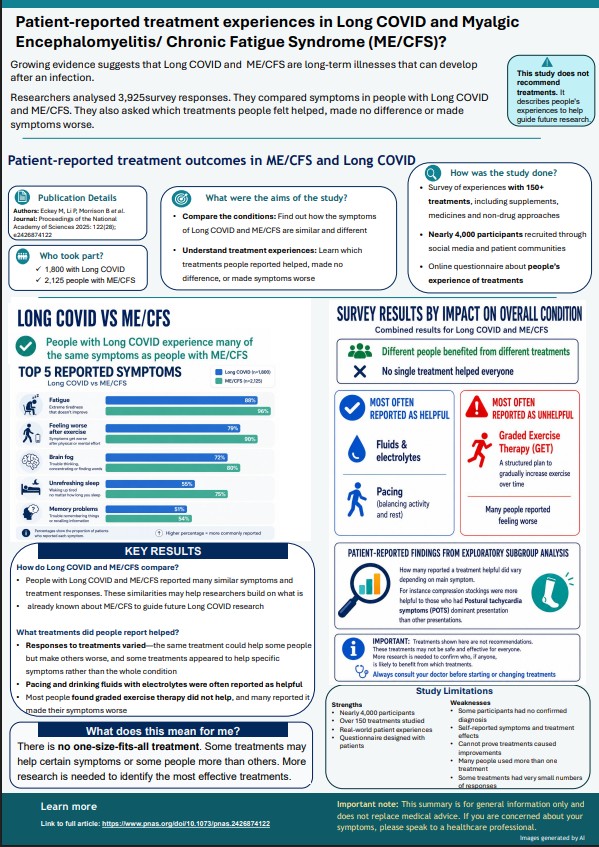
Explore this SHH-UK Research Summary of a study examining patient-reported symptoms and treatment experiences among nearly 4,000 people with Long COVID and ME/CFS.

N95 and KN95 respirators may look similar, but they are certified to different national standards. Both are designed to provide a high level of filtration, with each rated to filter at least 95% of specified test particles. (Smart Air)