Summary:
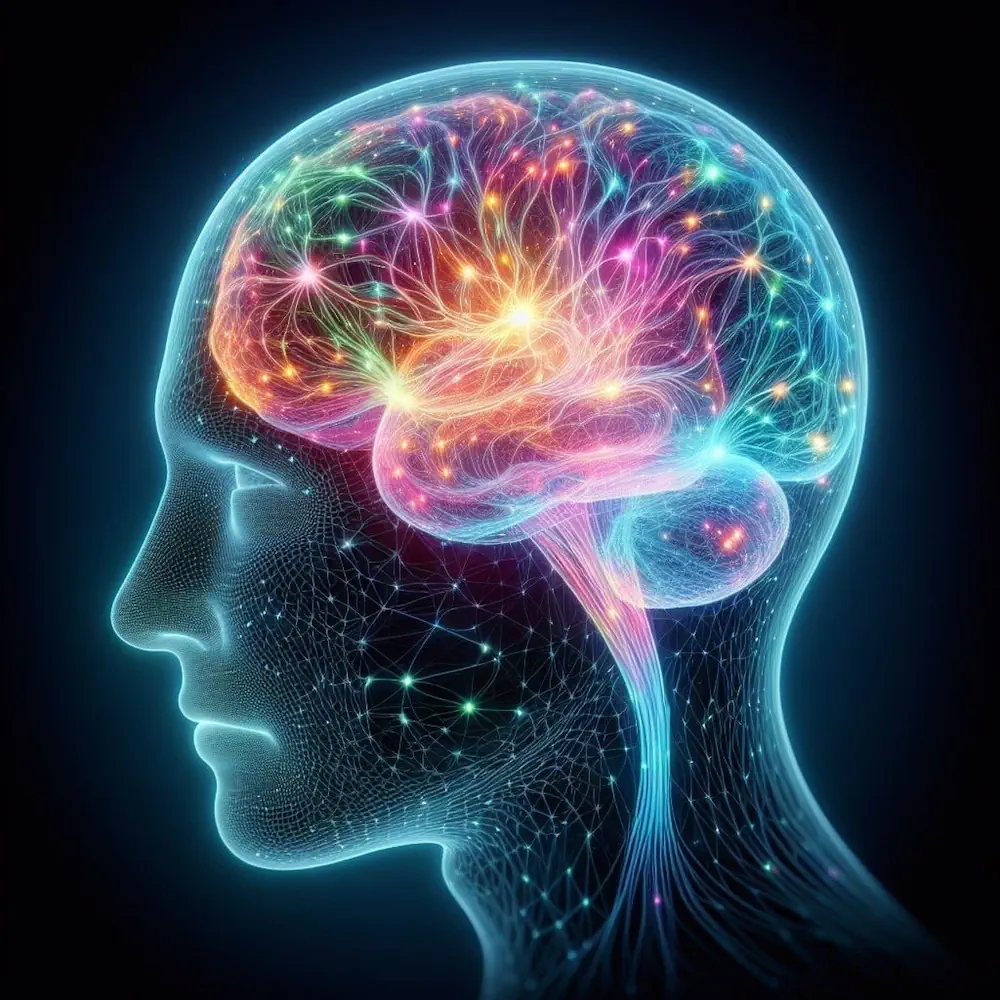
Reviewing Long Covid nerve and brain impact, with common symptoms and percentages relating to ICU admission, hospital admission and outpatient treatment.
Elboraay, T. et al., (2025) summarised by Robert Lilly
Introduction
This study reviews and analyses existing research evidence on the long-term impact of COVID-19 on brain related mental health and disorders, focussing on the persistence of neurological (nerve) and cognitive (brain) symptoms. The authors assert this is important for developing targeted interventions that address both physical and mental health, ultimately improving the quality of life for individuals with Long Covid.
Summary
Five reputable databases were searched for studies that evaluated the prevalence of long-term neurological symptoms in COVID-19 survivors, with at least six months of follow-up from those taking part. To maximise the robustness of the selected studies, quality controls were enforced by way of eligibility criteria and recognised assessment tests. This resulted in 125 studies being selected that were published between 2020 and 2024, involving a cumulative total of over 4 million participants across 33 countries.
By far the most common symptom found was fatigue (43%), followed by memory disorders (28%), cognitive impairment (27%), sleep disorders and concentration impairment (24%) and headache (20%). Other symptoms included dizziness, stress, depression, anxiety and headache (ranging from 16% to 13%). Additional analysis found higher stress, fatigue and headache in females, with increased stress and concentration impairment among those with higher body mass index. The paper provides further details about the severity and longevity of these symptoms. For example:
Fatigue severity rates – 23% were severe (ICU admission), 24% for mild and moderate (hospital admission), and 29% (outpatient treatment).
Memory disorders analysis by follow-up periods were common – 36% for 6 to 9 months later, 17% for 9 to 12 months, and 14% for periods greater than 12 months.
Conclusion
The range and frequency of these persistent long term neurological and cognitive symptoms in COVID-19 survivors was clear. The discussion section includes consideration of a range of treatment options being tried and considered. Study authors assert that despite increasing recognition of the persistent conditions and complications that are the result of COVID-19, effective management strategies remain limited, and further research is needed to develop targeted interventions. Given this uncertainty, a multidisciplinary approach integrating cognitive rehabilitation, psychological support, and pharmacological interventions is needed, particularly in resource-limited settings where healthcare capacity may be constrained. Developing guidelines based on research evidence and encouraging collaboration across a range of medical specialities will be crucial in shaping effective public health responses to the long-term consequences of COVID-19.
Read the study here