Covid is Airborne: You’re breathing it in
A powerful short video explaining how COVID spreads through the air like smoke, highlighting why ventilation, clean air and respiratory protection matter.
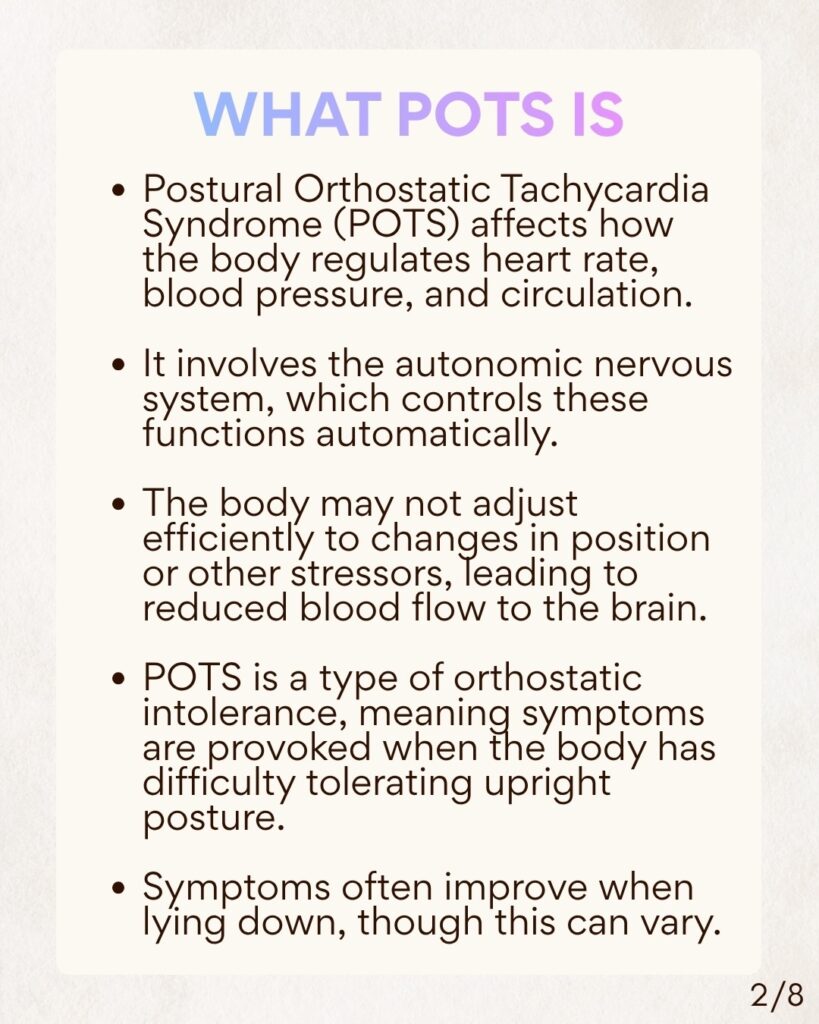
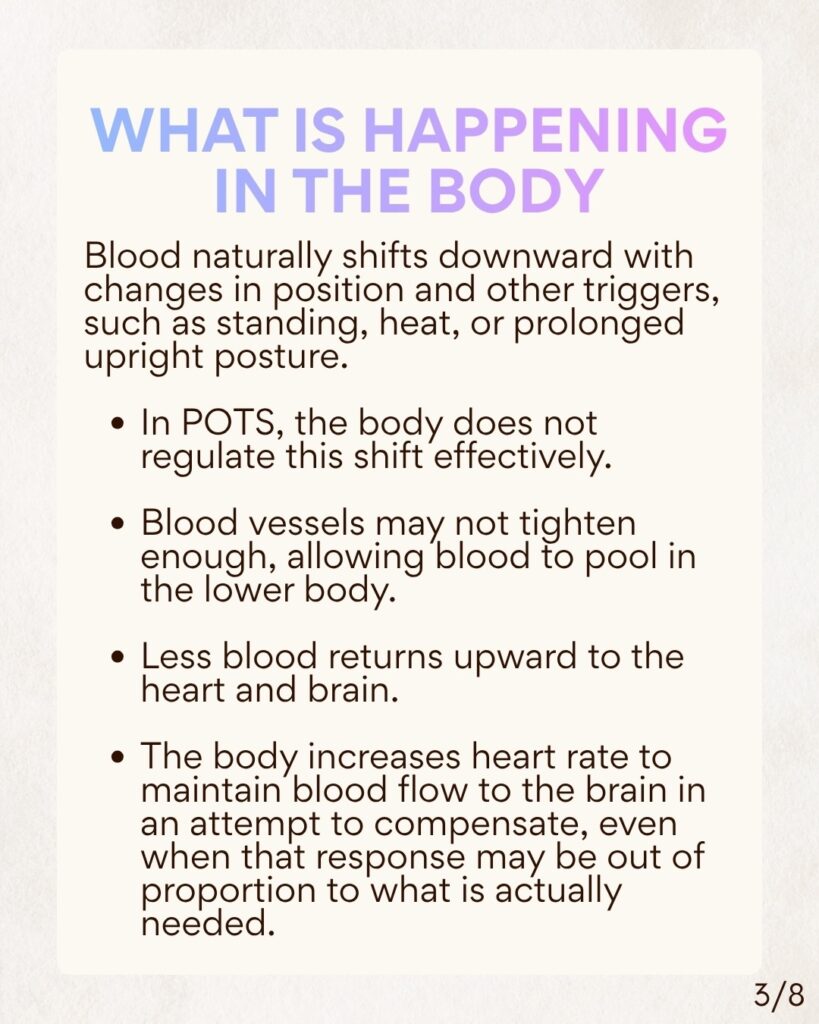
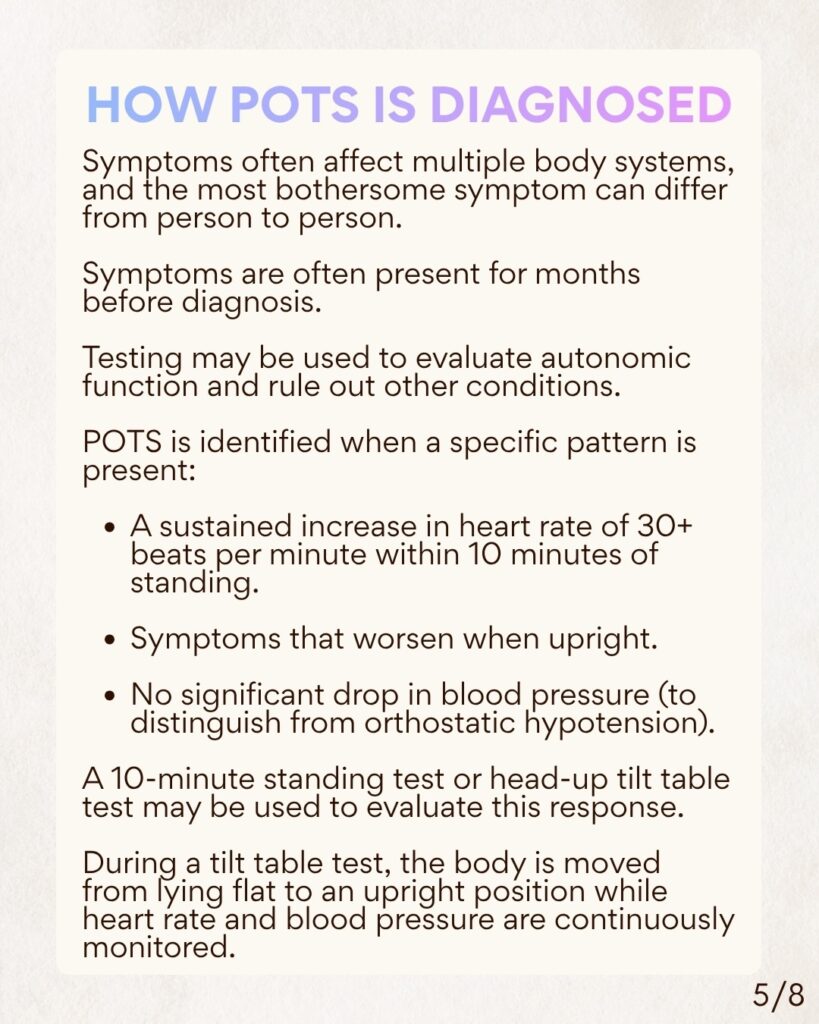
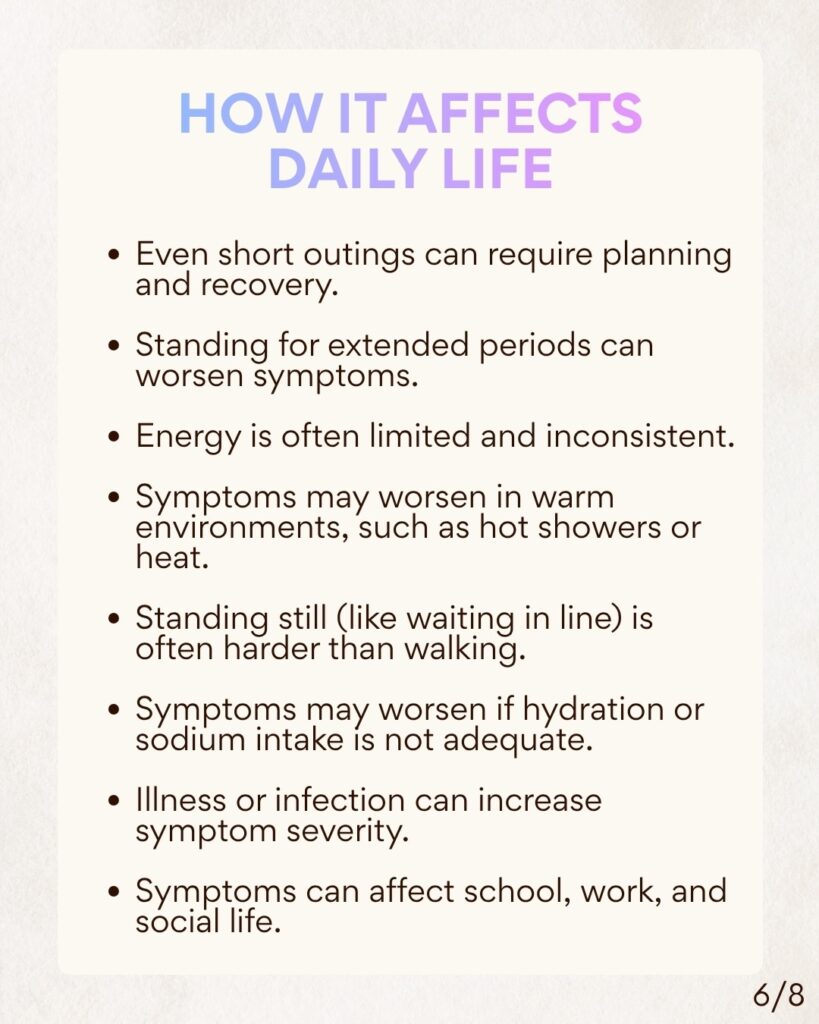
This easy-to-understand guide from HyperResilient explains Postural Orthostatic Tachycardia Syndrome (POTS), including common symptoms, diagnosis and how it can affect everyday life. It also highlights practical strategies that may help people manage symptoms and better understand the challenges faced by those living with POTS, including many people with Long Covid.


Sources:
Bryarly, M., Phillips, L. T., Fu, Q., Vernino, S., & Levine, B. D. (2019). Postural orthostatic tachycardia syndrome: JACC focus seminar. Journal of the American College of Cardiology, 73(10), 1207–1228. https://doi.org/10.1016/j.jacc.2018.11.059
Johns Hopkins Medicine. (n.d.). Postural orthostatic tachycardia syndrome (POTS). https://www.hopkinsmedicine.org/…/postural-orthostatic…
National Institute of Neurological Disorders and Stroke. (2026, March 13). Postural tachycardia syndrome (POTS). https://www.ninds.nih.gov/…/postural-tachycardia…
Raj, S. R. (2013). Postural tachycardia syndrome (POTS). Circulation, 127(23), 2336–2342. https://doi.org/10.1161/CIRCULATIONAHA.112.144501
Ruzieh, M., & Grubb, B. P. (2017). Postural tachycardia syndrome: diagnosis, physiology, and prognosis. Autonomic Neuroscience: Basic and Clinical, 215, 3–11. https://doi.org/10.1016/j.autneu.2018.02.005

Siddiqui, T., & Jankovic, M. (2023). Postural orthostatic tachycardia syndrome. In StatPearls. National Library of Medicine. https://www.ncbi.nlm.nih.gov/books/NBK541074/

A powerful short video explaining how COVID spreads through the air like smoke, highlighting why ventilation, clean air and respiratory protection matter.

Explore this SHH-UK Research Summary of a study examining patient-reported symptoms and treatment experiences among nearly 4,000 people with Long COVID and ME/CFS.

N95 and KN95 respirators may look similar, but they are certified to different national standards. Both are designed to provide a high level of filtration, with each rated to filter at least 95% of specified test particles. (Smart Air)