
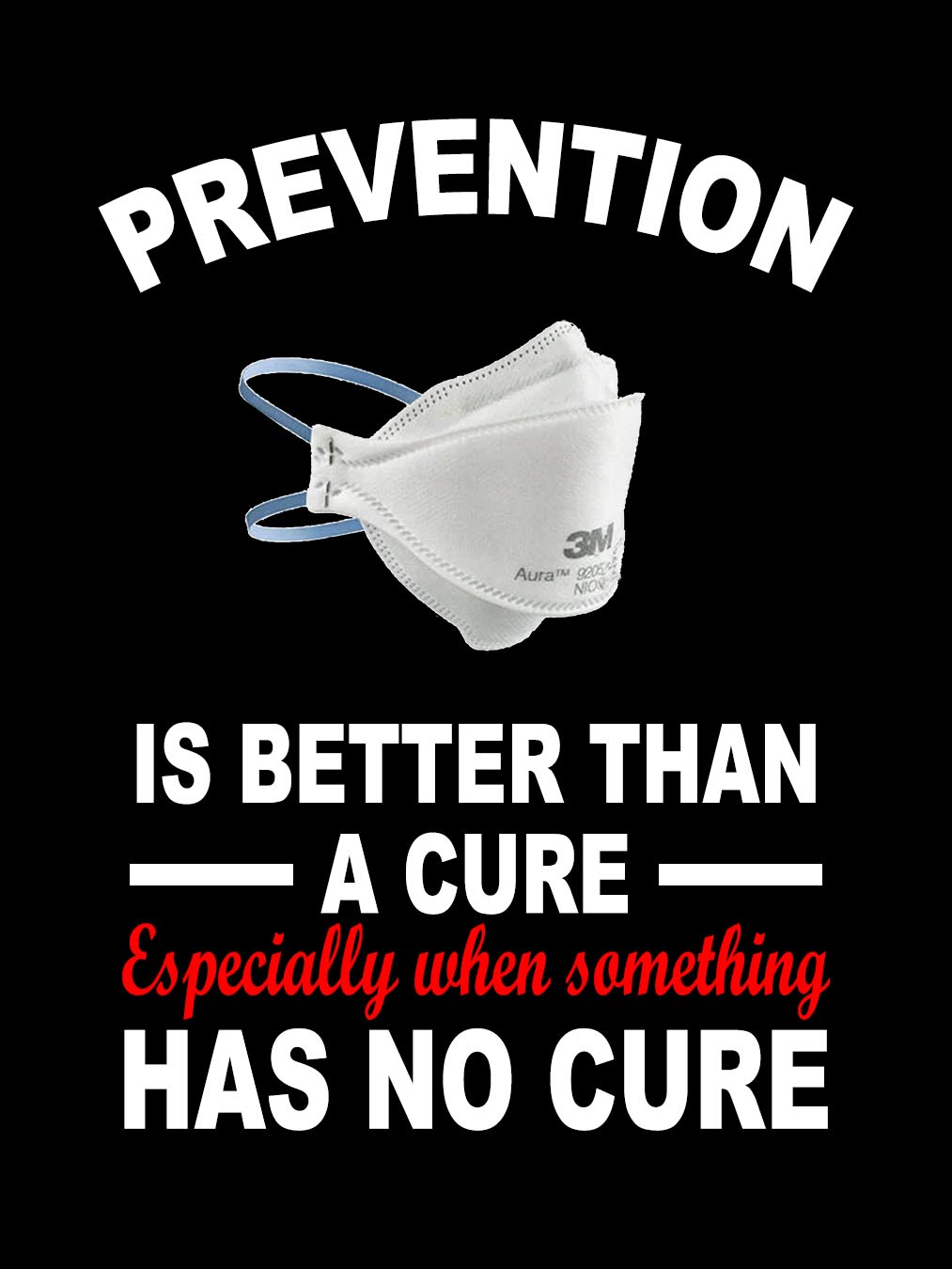
Respirators help reduce the spread of airborne infections
See how masks reduce respiratory particles released into shared air, helping limit airborne transmission and protect both the wearer and people nearby.
Read more
Motta, M. et al (2025) summarised by Rachael McGill
Introduction
The study compared objective and perceived Long Covid knowledge in a sample of 1,000 US adults polled by YouGov, to assess peoples levels of Long Covid ‘meta-ignorance’ (ignorance about their own ignorance). It looked for socio-demographic patterns to this ‘meta-ignorance’ and investigated its public health consequences.
Summary
‘Meta-ignorance’, commonly referred to as the Dunning-Kruger Effect (DKE), occurs when an individual’s perceived knowledge about a topic exceeds their actual knowledge. The researchers wanted to discover whether the DKE concerning Long Covid might be motivating opposition to evidence-based attitudes and behaviour such as vaccination. Respondents’ performance on a factual questionnaire about Long Covid was compared with their self-assessment on knowledge level to detect DKE. They were asked about their attitude to vaccination and whether they had had Long Covid. Data was collected on participants’ political leanings, gender, racial identities, educational attainment and age.
Overall, 30% of respondents answered 3 out of the 5 objective knowledge questions correctly, with 47% earning a score of 3 or higher. This means that a majority of respondents failed to provide an accurate response to more than half of the knowledge items, with 13% answering all of the questions incorrectly. While the state of knowledge about the causes and health risks of Long Covid was generally low, people’s confidence in their perceived Long Covid knowledge was not. A majority of respondents (53%) indicated that they were somewhat (43%) or very (10%) informed about the causes of Long Covid. More than a fifth of people (22%) expressed high confidence in their perceived Long Covid knowledge, despite exhibiting lower than average objective knowledge.
Respondents who identified as women and/or had a college degree were more likely to express higher levels of perceived Long Covid knowledge. However, the study found little consistent evidence of socio-demographic differences in perceived knowledge, or the expression of meta-ignorance, with regard to respondents’ political leanings, age, educational attainment or gender identity. The DKE was found to be associated with lower levels of annual COVID-19 vaccine confidence, an increased likelihood of contracting Long Covid and an increased likelihood of opposing policies that promote COVID-19 workplace vaccination. The effects of meta-ignorance on each of these outcomes was significant. For example, 65% of those who did not exhibit the DKE supported workplace vaccination mandates compared with 49% of those who exhibited the DKE.
Conclusion
The expression of the DKE regarding Long Covid is associated with opposition to workplace COVID-19 vaccine mandates, annual COVID-19 vaccine hesitancy and an increased likelihood of being sick with Long Covid. Educational interventions to improve Long Covid knowledge could include mass communication campaigns to correct misperceptions. Future studies should assess how to accurately frame and target messages to reduce resistance and increase understanding.
Access the research article here
See how masks reduce respiratory particles released into shared air, helping limit airborne transmission and protect both the wearer and people nearby.

Covid-19 spreads through the air. Learn how masks, ventilation, CO₂ monitoring, air filtration, distancing and outdoor spaces can help reduce your risk.

Find financial support with Turn2us, including benefits advice, grants, a benefits calculator and help for people affected by illness or disability.