
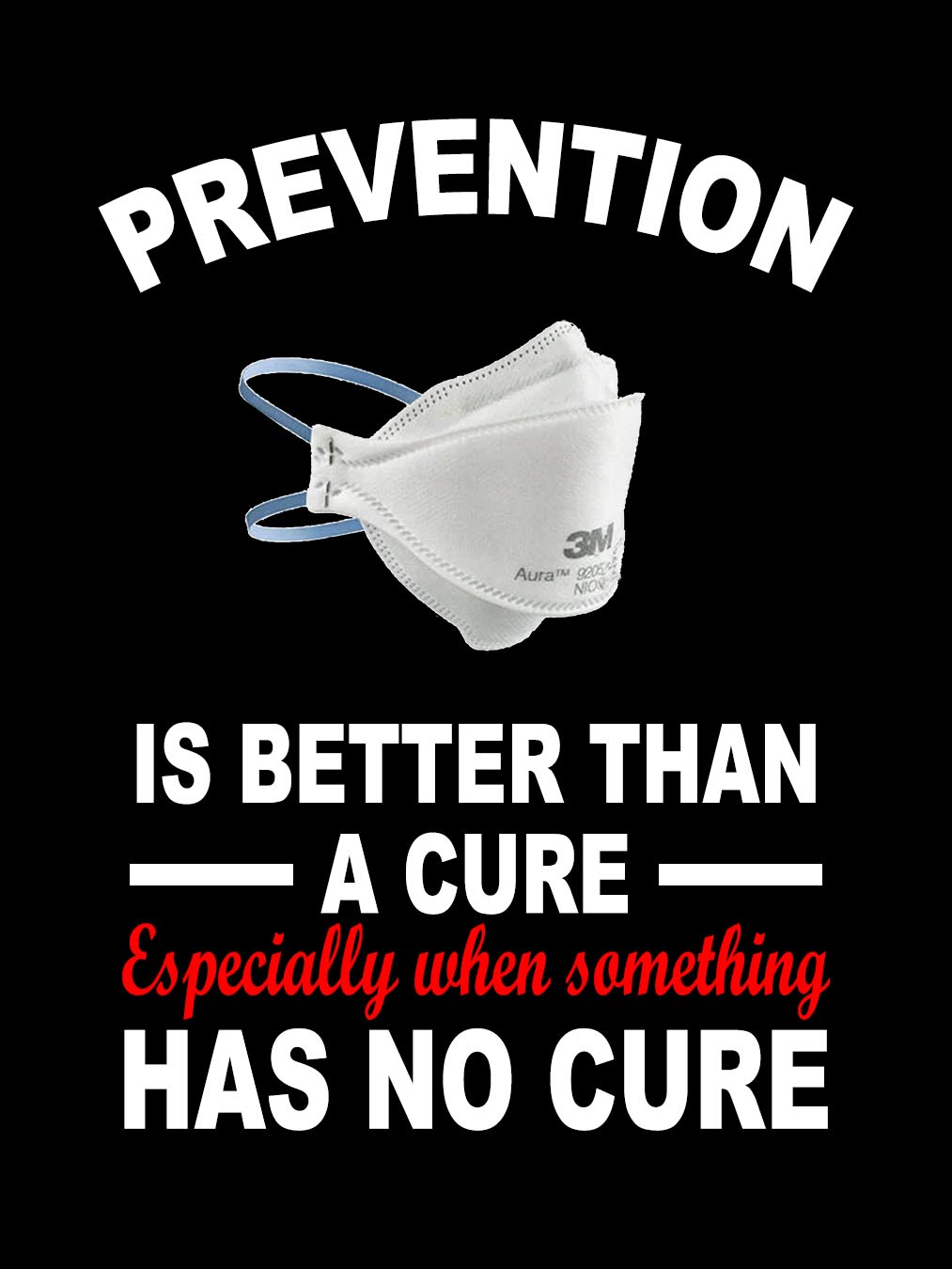
Respirators help reduce the spread of airborne infections
See how masks reduce respiratory particles released into shared air, helping limit airborne transmission and protect both the wearer and people nearby.
Read more

Indoor air quality (IAQ) is an important but often overlooked aspect of healthcare. The presence of airborne pathogens, such as SARS-CoV-2 (Covid-19), has been shown to have a significant impact on infection rates and absenteeism among healthcare workers (Riga First Hospital 2024) as well as increasing the number of hospital acquired infections (Brock et al. 2025). Despite this, many healthcare facilities lack adequate ventilation and air filtration measures. To address this urgent issue, Supporting Healthcare Heroes UK (SHH-UK) is launching a campaign to raise awareness of the importance of clean air in healthcare facilities.
Research emphasises the impact of IAQ on health. A UK hospital study detected the presence of SARS-CoV-2 in the air on COVID-19 wards before and after HEPA air filtration was activated, confirming that air filtration plays a critical role in infection control (Conway Morris et al. 2021). Similarly, a hospital in Riga observed a 27% decrease in staff sickness absence after improving indoor air quality (Riga First Hospital 2024).
Further evidence suggests that a reduction in CO2 levels correlates with a lower risk of transmission. Iwamura et al. (2024) found a direct linear relationship between indoor CO2 concentration and airborne transmission risk, highlighting the effectiveness of CO2 monitoring as a tool to assess ventilation. The British Council for Offices (2023) recommends keeping CO2 concentrations below 800 parts per million (ppm) to ensure a safe indoor environment. In France, the guidelines state that CO2 concentrations above 800 ppm require immediate ventilation measures and reduced room occupancy (French High Council for Public Health 2021).
For more information, read our two campaign position statements:
See how masks reduce respiratory particles released into shared air, helping limit airborne transmission and protect both the wearer and people nearby.
Covid-19 spreads through the air. Learn how masks, ventilation, CO₂ monitoring, air filtration, distancing and outdoor spaces can help reduce your risk.

Find financial support with Turn2us, including benefits advice, grants, a benefits calculator and help for people affected by illness or disability.