
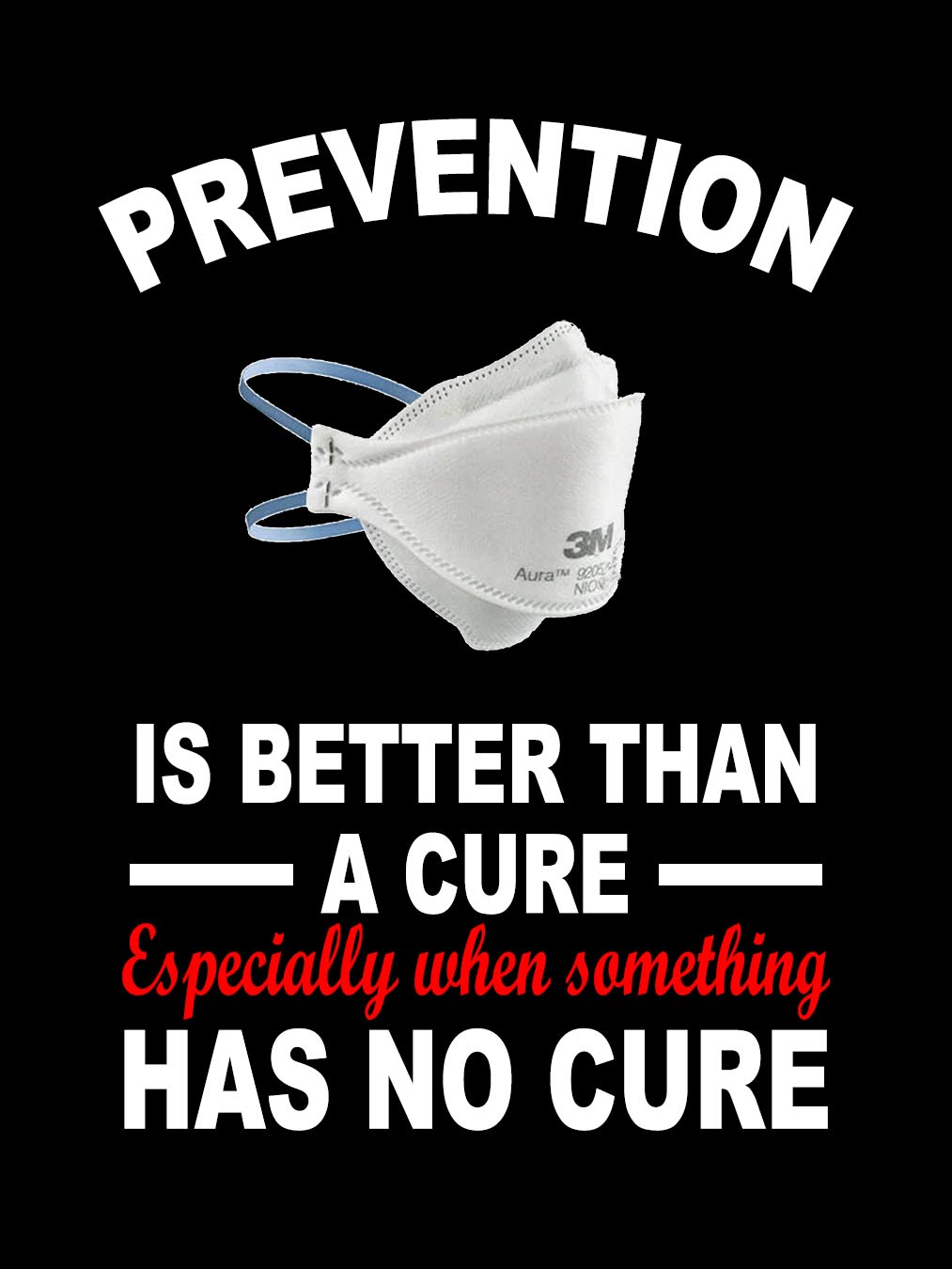
Respirators help reduce the spread of airborne infections
See how masks reduce respiratory particles released into shared air, helping limit airborne transmission and protect both the wearer and people nearby.
Read more

Study: Preventing respiratory viral transmission in healthcare settings
Authors: Marie-Céline Zanella, Chanu Rhee and Michael Klompas
Year: 2025
Journal: Current Opinion in Infectious Diseases
As illness and deaths associated with COVID-19 have fallen substantially for most people, many hospitals have relaxed measures introduced during the pandemic to reduce respiratory virus transmission.
However, respiratory infections acquired in healthcare settings remain a risk, particularly for vulnerable patients.
The authors conducted a narrative review of recent research to identify practical approaches that could help reduce the transmission of respiratory viruses in healthcare settings.
This was a narrative review, so no participants were directly recruited.
Narrative reviews bring together previously published research on a particular topic and provide a descriptive overview of the available evidence. In this review, the authors examined evidence relating to respiratory virus transmission in healthcare settings and approaches that may help reduce it.
A substantial proportion of patients hospitalised with respiratory infections may acquire them while in hospital, and levels of hospital-acquired infection appear to be closely linked to infection activity in the surrounding community.
One US study cited in the review estimated that every 10% increase in community-acquired COVID-19 was associated with a 178% increase in hospital-acquired infections.
Most COVID-19 and influenza transmission occurs immediately before or shortly after symptoms begin, with contagiousness declining over time.
The risk of transmission increases when there is a higher viral load. Coughing and laboured breathing can increase the amount of virus released into the air.
Other factors that may increase transmission risk include:
Although respiratory infections may cause relatively mild illness in much of the general population, hospitalised patients are often more vulnerable because they may be older, frail, immunocompromised or have existing heart or lung disease.
For these patients, respiratory viral infections can be associated with longer hospital stays, respiratory failure and death.
The review identified several practical approaches that could help reduce respiratory virus transmission in healthcare settings.
Vaccination: Encouraging influenza and COVID-19 vaccination among healthcare workers and patients may help reduce transmission and severity of illness.
Masking: The authors recommend masking during patient interactions when levels of respiratory infection in the surrounding community are high, such as during winter infection peaks.
Admission testing: Testing patients when they are admitted to hospital can help identify people with asymptomatic infections and allow infection-control measures to be introduced earlier. The review reports that stopping admission testing was associated with a 26–41% increase in hospital-onset infections in England and Scotland.
Air cleaning: Air-cleaning technologies may help by reducing the amount of virus in the air. However, much of the research in this area has been conducted outside clinical settings, so it remains unclear how much benefit these technologies provide within healthcare facilities.
One strength of a narrative review is that it can consider evidence from different types of studies, providing a broad overview of a complex subject. The review also identified areas where further research is needed, including the effectiveness of air-cleaning technologies in healthcare environments.
However, there are important limitations.
The number of studies discussed in the review was relatively small, meaning firm conclusions cannot always be drawn.
The authors also did not report a predefined methodology for conducting the review. This means it is unclear how studies were selected and how the authors reached their conclusions.
Selection bias therefore cannot be ruled out, and studies producing conflicting findings may potentially have been underrepresented.
Evidence relating to some respiratory viruses may also underestimate their true incidence because testing is often restricted to particular patient groups, such as immunocompromised patients and children.
The findings highlight several measures that healthcare organisations can consider to reduce the transmission of COVID-19, influenza and other respiratory viruses among patients and staff.
The authors particularly highlight vaccination and masking during periods of high community infection as practical measures.
Vaccination campaigns, free vaccination programmes for healthcare workers, convenient access to vaccination, education and promotional activities may help increase vaccine uptake.
Healthcare organisations may also consider masking during patient interactions when infection rates in the surrounding community are high.
The research discussed in this review came from the USA, Switzerland and the United Kingdom.
Healthcare systems in other parts of the world may have different infrastructure, resources and patterns of respiratory virus transmission. The findings therefore may not apply equally to all healthcare settings.
The lack of a reported methodology for the review and the authors’ declared conflicts of interest should also be considered when interpreting its conclusions.
We need to build on the lessons learned during the COVID-19 pandemic to reduce the transmission of respiratory viruses in healthcare settings. Practical measures highlighted in this review include maximising influenza and COVID-19 vaccination and wearing masks during patient interactions when community infection rates are high.
Research summary by Hazel Shanley, SHH-UK Volunteer
Supporting Healthcare Heroes UK provides research summaries to make emerging evidence more accessible to healthcare workers and the wider community.
Important note: This summary is for general information only and does not replace medical advice. If you are concerned about your symptoms, please speak to a healthcare professional.
See how masks reduce respiratory particles released into shared air, helping limit airborne transmission and protect both the wearer and people nearby.

Covid-19 spreads through the air. Learn how masks, ventilation, CO₂ monitoring, air filtration, distancing and outdoor spaces can help reduce your risk.

Find financial support with Turn2us, including benefits advice, grants, a benefits calculator and help for people affected by illness or disability.