The recent publication of the Darzi report has highlighted several challenges facing the NHS. From staff shortages to longer waiting times, the NHS is under unprecedented pressure. But as we grapple with living with Covid-19, it’s important to remember that the Covid protective measures used in the early stages of the pandemic are still of great value. The reintroduction of Covid precautions in healthcare will take some pressure off the NHS, improve patient outcomes and create a more resilient healthcare system.
Understanding the findings of the Darzi report
The Darzi report published today paints a sobering picture of the current state of the NHS. It highlights several key areas of concern, including:
- Increased patient demand: the NHS is experiencing a surge in demand for both routine and emergency treatment, due in part to the backlog of cases that has built up during the pandemic.
- Staff shortages: The NHS workforce is overstretched, with many healthcare professionals suffering from burnout and inadequate staffing levels.
- Financial constraints: The NHS is under significant financial pressure and has limited resources to cope with the growing demands and challenges.
- Extended waiting times: Waiting lists for elective procedures and routine consultations have ballooned, impacting on patient care and outcomes.
Given these findings, it is clear that the NHS is at a critical juncture. However, if we continue to apply the protective measures put in place in the early days of the pandemic, we have the opportunity to mitigate these challenges.
Covid precautions: More than just a pandemic response
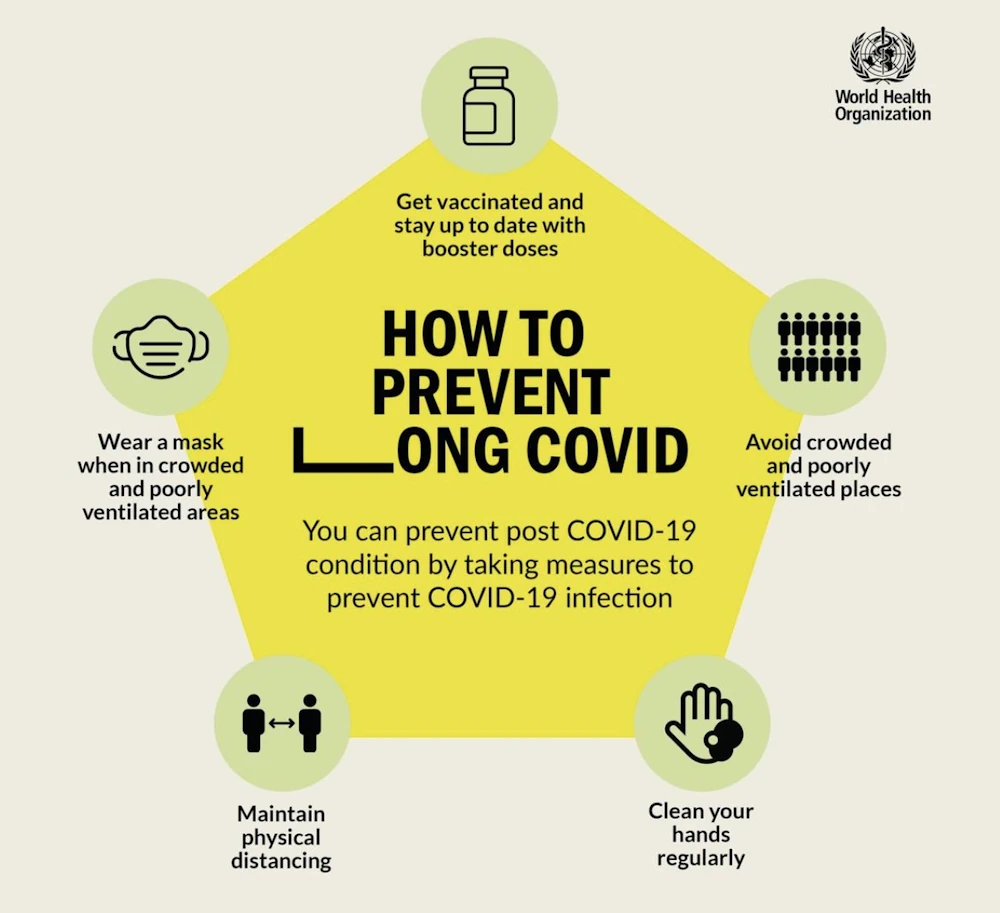
In the early days of the Covid-19 pandemic, a number of precautionary measures were taken to contain the spread of the virus and protect public health. These included the wearing of masks, social distancing, improved ventilation, frequent hand washing and improved cleaning protocols. Although these measures were originally introduced as emergency measures for a global crisis, they have wider benefits that go beyond Covid-19.
By maintaining some of these precautions, we can help the NHS in more ways than one:
- Reducing the spread of infection
Covid-19 is not the only respiratory virus putting pressure on the NHS. Flu, respiratory syncytial virus (RSV) and other infectious diseases also contribute to hospital admissions, particularly during the winter months. By continuing to encourage practises such as wearing masks in crowded indoor spaces, good hand hygiene and proper ventilation, we can reduce the transmission of these viruses.
The Darzi report emphasises that a decrease in non-covid respiratory infections could help free up hospital beds and resources, allowing the NHS to focus on clearing the growing backlog of non-urgent care. Lower transmission rates also mean that fewer healthcare workers fall ill, helping to alleviate staff shortages (Darzi report, 2024).
- Dealing with the consequences of repeated Covid infections for the health of staff and patients
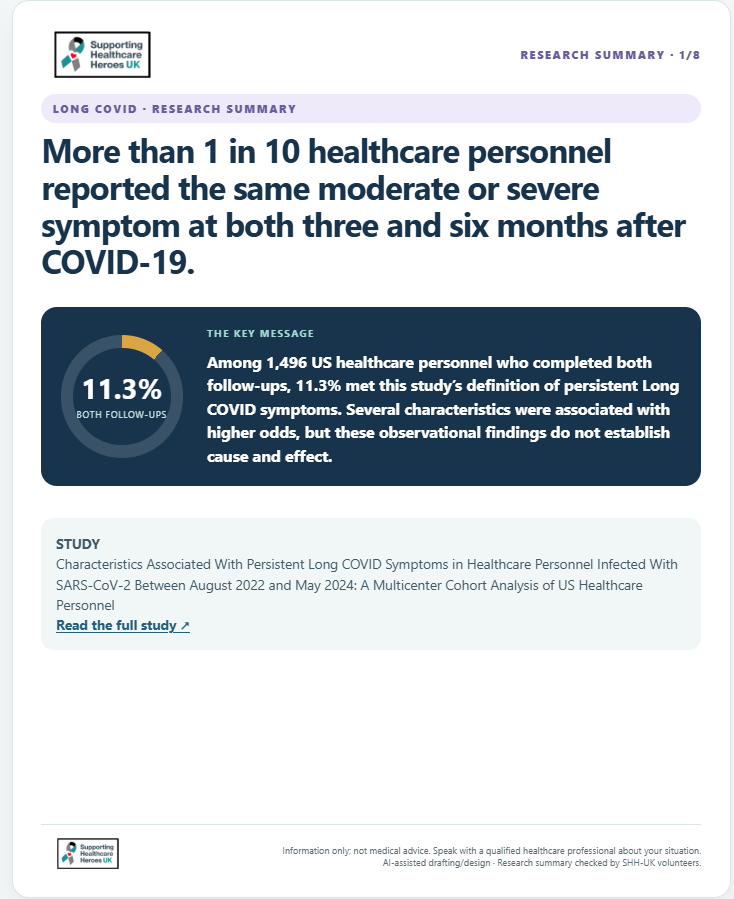
Repeated Covid infections have a significant impact on the health of staff and patients, adding complexity to the current challenges facing the NHS. Evidence suggests that multiple Covid infections can lead to a range of complications, including Long Covid, which is characterised by persistent symptoms such as fatigue, breathlessness and cognitive impairment (Greenhalgh et al. 2024; Al-Aly et al. 2024). For healthcare workers, this can lead to prolonged absences, reduced productivity and, in some cases, an inability to return to work at all (British Medical Association, 2023).
For patients, particularly those who are already vulnerable due to their age or pre-existing conditions, repeated Covid infections can exacerbate underlying health problems, increase the risk of hospitalisation and prolong recovery times. This places an additional burden on the NHS as the number of patients requiring more intensive care and longer hospital stays increases.
By maintaining Covid precautions such as wearing masks and improving air quality in healthcare facilities, as well as promoting immunisation, the NHS can reduce the likelihood of repeat infections among both staff and patients. This not only helps to protect the health and wellbeing of staff, but also minimises the impact on patient care and reduces the overall burden on healthcare services.
- Maintaining the benefits of remote consultations
One of the most important changes brought about by the pandemic was the switch to remote consultations. Although this was initially seen as a temporary measure, the Darzi report suggests that maintaining a hybrid model of care – a combination of face-to-face and virtual appointments – could bring long-term benefits.
Remote consultations can help reduce pressure on the NHS:
- Improving access: patients can receive timely care without having to visit a healthcare facility in person, relieving pressure on hospital and clinic waiting rooms.
- Increased efficiency: Virtual consultations often take less time than face-to-face appointments, allowing medical staff to treat more patients per day.
- Reduced risk: By limiting face-to-face contact, remote consultations reduce the risk of spreading infectious diseases in healthcare settings (Royal College of General Practitioners 2021)
By promoting a hybrid model of care, we can create a more flexible, resilient NHS that is better able to meet the demands of an evolving healthcare landscape.
- Supporting a healthier workforce
The NHS workforce is its greatest asset, but it is currently in crisis. The Darzi report points to high levels of stress, burnout and absenteeism among healthcare workers. Repeated Covid infections can further exacerbate these problems and lead to long-term health complications and prolonged absence from work (British Medical Association, 2023). The Nuffield Trust estimates that in 2019 – 2022, sickness absence days for NHS staff in England increased by 29%. In 2022 NHS sickness absence equated to the loss of around 74,500 full-time equivalent staff (Palmer & Rolewicz 2023).
Continuing Covid precautions could help to protect the health and wellbeing of NHS staff by reducing their risk of exposure to infectious diseases. A healthier workforce is a more productive workforce. By maintaining practises such as wearing masks in clinical areas and improving indoor air quality, as well as supporting remote working where possible, the NHS can help reduce sickness absence and improve overall staff morale. This in turn could lead to better patient care and more sustainable service delivery.
A way forward for the NHS
The Darzi report makes it clear that the NHS faces significant challenges, which have been exacerbated by the Covid-19 pandemic. However, by continuing to implement certain precautions and strategies developed during the pandemic, we can help to alleviate some of the pressure on the system.
Covid precautions are not just about preventing the spread of a single virus, but also about creating a healthier, more resilient healthcare system. By reducing the transmission of infectious diseases, minimising the impact of repeated Covid infections, optimising the use of resources and supporting a healthier workforce, these measures have the potential to help the NHS meet the current challenges and emerge stronger for the future.
Note: In addition to the above precautions, infection prevention and control policies need to be updated to reflect the fact that covid is airborne.