
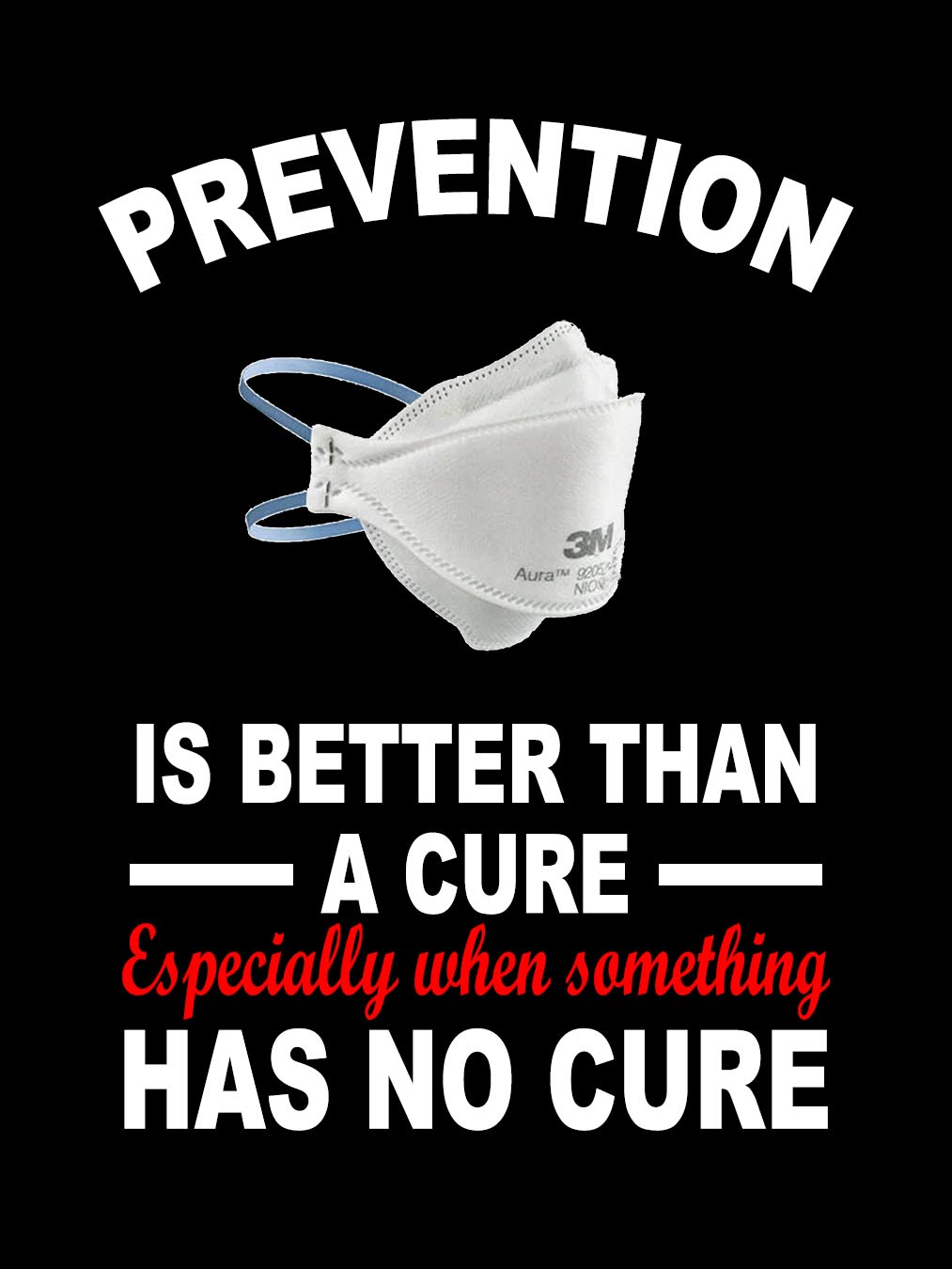
Respirators help reduce the spread of airborne infections
See how masks reduce respiratory particles released into shared air, helping limit airborne transmission and protect both the wearer and people nearby.
Read more

In this explainer video Al Haddrell (@ukhadds) discusses how the level of CO2 in an indoor space is a proxy to for the quality of ventilation and how you can use this information to help prevent the airborne transmission of SARS-CoV-2 and other airborne viruses.
If you have any questions, Al is happy for you to ask them via Twitter or BlueSky (@ukhadds)
Overview of video
00:00 Intro
01:05 Summary or Airborne Transmission
01:52 Monitor Overview
02:20 Correlation of CO2 and Exhaled Aerosol
03:25 Correlation Summary
04:10 CO2 and Ventilation
06:44 How to Use a CO2 Monitor to Measure ACH
07:47 Ventilation Summary
08:14 How CO2 Affects How Long SARS-CoV-2 Remains Infectious in the the Air
10:27 Overall Summary
11:32 References
See how masks reduce respiratory particles released into shared air, helping limit airborne transmission and protect both the wearer and people nearby.

Covid-19 spreads through the air. Learn how masks, ventilation, CO₂ monitoring, air filtration, distancing and outdoor spaces can help reduce your risk.

Find financial support with Turn2us, including benefits advice, grants, a benefits calculator and help for people affected by illness or disability.