

Covid is Airborne: You’re breathing it in
A powerful short video explaining how COVID spreads through the air like smoke, highlighting why ventilation, clean air and respiratory protection matter.
Read more

“What do we know about the Covid‑19 virus five years on?” from The Guardian (7th August 2025) by Rachel Hall – available by clicking here.
Enduring Prevalence
Five years after the pandemic began, COVID-19 remains widespread—not a benign seasonal sniffle. In the UK, official data indicates a 28% week-on-week decline in cases, but true infection rates are likely underreported as most people no longer test routinely .
Not Just a Winter Virus
Contrary to expectations, COVID-19 does not follow classic seasonality. It spreads in both summer and winter, driven by rapid viral evolution—far quicker than flu—and not constrained by small environmental shifts .
Current Variants & Immunity
Omicron subvariants remain dominant. The latest, NB.1.8.1, is more contagious, though vaccines still offer significant protection. Overall symptom severity has reduced, likely thanks to immunity from prior infection and vaccination .
Vaccinations Still Matter
Vaccines remain important—especially for people at higher risk (such as those over 75 or immunocompromised)—but uptake has declined. Experts highlight Long Covid risks and recurrent reinfections among younger adults, who may endure multiple disruptive episodes annually.
Lingering Health Questions
Even after five years, COVID-19’s long-term impacts remain uncertain. Evidence suggests post-infection vulnerability to other illnesses and potential lingering effects on cardiovascular and cognitive health . As research continues, many crucial questions still await answers.
Overall, while collective immunity has reshaped how societies manage COVID-19, the virus remains a potent and evolving threat—not yet relegated to the realm of common colds or minor seasonal ailments.
A powerful short video explaining how COVID spreads through the air like smoke, highlighting why ventilation, clean air and respiratory protection matter.
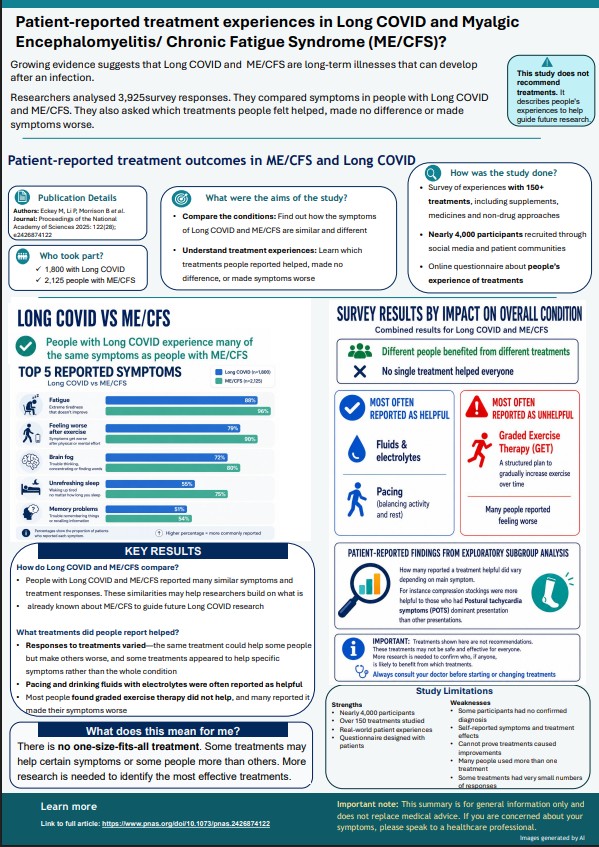
Explore this SHH-UK Research Summary of a study examining patient-reported symptoms and treatment experiences among nearly 4,000 people with Long COVID and ME/CFS.

N95 and KN95 respirators may look similar, but they are certified to different national standards. Both are designed to provide a high level of filtration, with each rated to filter at least 95% of specified test particles. (Smart Air)